










Custom Crafts Blog
Home » Custom Crafts Blog » How to Wear a Pin on a Suit: A Complete Guide to Elevate Your Formal Style
How to Wear a Pin on a Suit: A Complete Guide to Elevate Your Formal Style
Table of Contents
There’s a subtle yet powerful accessory that can transform an ordinary suit from “well-dressed” to “unforgettable”: the suit pin. Often overlooked or dismissed as a trivial detail, a well-chosen and properly worn pin adds personality, sophistication, and a touch of individuality to your formal attire. Whether you’re attending a wedding, a business meeting, a black-tie gala, or even a casual office event, the right pin can elevate your look without overwhelming it. But here’s the catch: wearing a pin on a suit isn’t as simple as sticking it on your lapel and calling it a day. There are unspoken rules, style guidelines, and practical tips that separate a polished, intentional look from one that feels forced or sloppy.
In this comprehensive guide, we’ll cover everything you need to know about wearing a pin on a suit—from the history of suit pins and the different types available to step-by-step placement instructions, occasion-specific styling, common mistakes to avoid, and even how to care for your pins. By the end of this article, you’ll have the confidence to wear suit pins with ease, turning your suit into a statement of your personal style while respecting the traditions of formal wear. Let’s dive in.
The History of Suit Pins: From Functional to Fashionable
To truly appreciate how to wear a pin on a suit, it’s helpful to understand its origins. Suit pins (often called lapel pins) have a rich history that dates back centuries, evolving from functional tools to symbolic accessories and, finally, to the fashion statement we know today.
The earliest predecessors of suit pins can be traced to ancient Greece and Rome, where small metal fasteners were used to secure cloaks and garments, while also signifying rank and status among nobility and military leaders. These early pins were often crafted from precious metals and adorned with family crests or symbols of authority, making them both practical and a display of wealth.
In the 13th century, knights began using decorative brooches to secure their cloaks and showcase their family crests, further solidifying the pin’s role as a status symbol. By the late 1700s and early 1800s, the military officially adopted lapel pins as a way to signify rank, allegiance, and service, a tradition that continues in many armed forces around the world today. These military pins were often simple, understated, and designed to be worn on the left lapel—over the heart—a tradition that persists in modern formal wear.
As the 19th century progressed, suit pins became more accessible to the general public, thanks to advancements in manufacturing. They transitioned from purely functional or symbolic pieces to decorative accessories, worn by men of all social classes to add a touch of elegance to their suits. By the 20th century, lapel pins took on new roles: they were used to show support for social and political causes (such as the suffragette movement and World War II efforts), commemorate events, and even represent membership in organizations or secret societies.
Today, suit pins are a versatile accessory, blending tradition with modern style. They’re no longer reserved for military personnel or nobility—anyone can wear a pin to elevate their suit, whether they want to make a subtle statement, showcase their personality, or honor a cause or event. Understanding this history helps us appreciate the significance of the suit pin and why certain styling rules exist (like wearing it on the left lapel).
Types of Suit Pins: Choosing the Right One for Your Look
Before you learn how to wear a pin on a suit, you need to choose the right pin. Suit pins come in a wide variety of styles, materials, and sizes, each suited for different occasions, suit colors, and personal preferences. Here’s a breakdown of the most common types of suit pins, along with their best uses:
1. Boutonnieres: The Classic Floral Pin
A boutonniere is a small, fresh flower (or sometimes a dried or artificial flower) worn on the lapel of a suit. It’s the most traditional type of suit pin, often associated with formal events like weddings, proms, and galas. The word “boutonniere” comes from the French word “bouton,” meaning “button,” as it was originally worn near the buttonhole of the lapel.
Boutonnieres are typically simple, with a single flower (like a rose, carnation, or lily) and a few small green leaves or accents. They’re most commonly worn by grooms, groomsmen, fathers of the bride/groom, and other special guests at weddings. For everyday or less formal occasions, a small artificial boutonniere (made from silk or felt) can add a touch of elegance without the need for fresh flowers.
Key tip: Boutonnieres should complement the color scheme of your suit and any other accessories (like your tie or pocket square). For example, a red rose boutonniere pairs well with a navy or black suit, while a white carnation works with lighter suits like gray or beige.
2. Enamel Pins: The Versatile, Personalized Choice
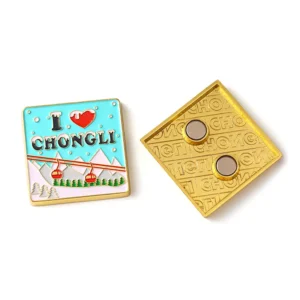
Enamel pins are one of the most popular types of suit pins today, thanks to their versatility, affordability, and wide range of designs. They’re made by adding enamel (a colored, glass-like material) to a metal base, creating a smooth, vibrant finish. Enamel pins come in two main styles: soft enamel (with a slightly textured surface) and hard enamel (with a smooth, polished surface).
The beauty of enamel pins is their diversity. You can find them in almost any design imaginable: simple geometric shapes, logos, symbols, animals, hobbies, or even custom designs that reflect your personality. They’re perfect for adding a personal touch to your suit, whether you want to show support for a sports team, a charity, a hobby, or a brand.
Enamel pins are suitable for both formal and casual occasions, depending on their design. A small, simple enamel pin (like a circle or a small symbol) can work for business meetings, while a more playful or colorful design is great for casual office days, parties, or social events.
3. Metal Pins: The Sophisticated, Timeless Option
Metal pins are crafted entirely from metal (often gold, silver, brass, or stainless steel) and are known for their sleek, sophisticated look. They’re often simpler in design than enamel pins, with clean lines, engravings, or subtle details. Metal pins are ideal for formal occasions, as they exude elegance and refinement without being too flashy.
Common metal pin designs include: anchor pins (symbolizing stability and strength), cross pins (for religious or personal significance), geometric shapes (like squares, circles, or triangles), and monogrammed pins (with your initials). Metal pins also come in different finishes, such as polished (shiny), matte (satin), or antiqued (for a vintage look).
Key tip: Metal pins should match the other metal accessories in your outfit, such as your watch, belt buckle, or cufflinks. For example, a silver pin pairs well with silver cufflinks, while a gold pin complements gold accessories.
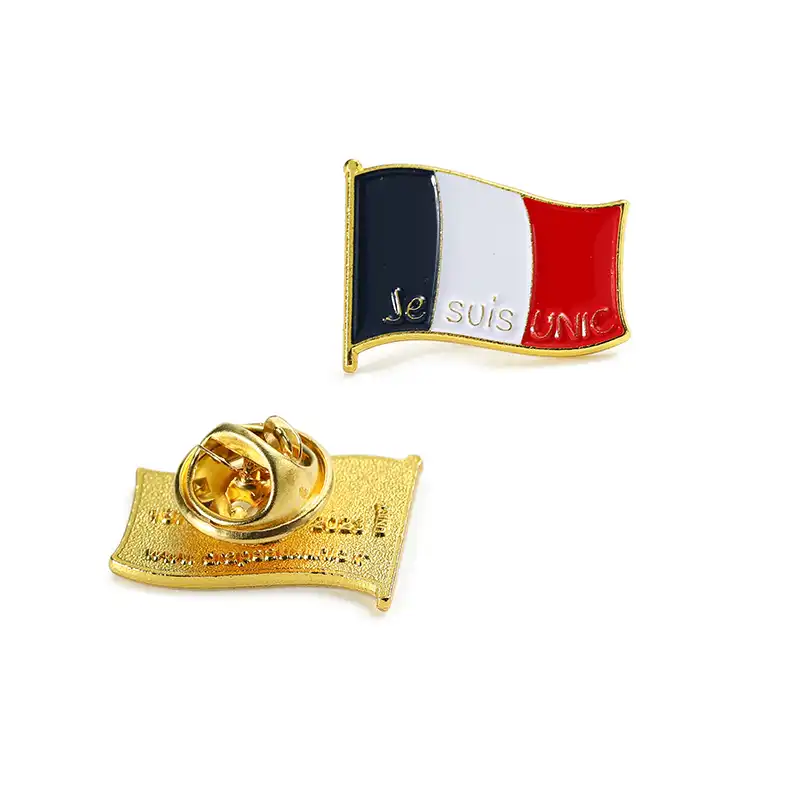
4. Flag Pins: The Patriotic or Cultural Statement
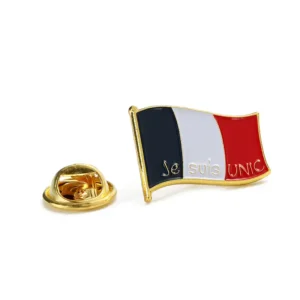
Flag pins are small pins shaped like a country’s flag, worn to show patriotism, cultural pride, or affiliation with a specific nation. They’re often worn by politicians, military personnel, or anyone attending a cultural event, conference, or international gathering. Flag pins are typically small and understated, designed to be visible but not distracting.
When wearing a flag pin on a suit, it’s important to follow proper etiquette: the flag should be oriented correctly (with the union or main design facing upward) and worn on the left lapel, over the heart. Flag pins are suitable for formal and semi-formal occasions, but they should be avoided in overly casual settings unless the event has a specific patriotic theme.
5. Vintage Pins: The Unique, Retro Touch
Vintage suit pins (from the 1920s to the 1980s) are a great way to add a unique, retro touch to your outfit. These pins often feature intricate designs, antique finishes, and historical significance, making them conversation starters. Vintage pins can be found at thrift stores, antique shops, or online marketplaces, and they work well with both classic and modern suits.
When wearing a vintage pin, keep the rest of your accessories simple to let the pin be the focal point. For example, pair a vintage enamel pin with a plain navy suit and a solid-colored tie to avoid clashing.
6. Custom Pins: The Personalized Statement
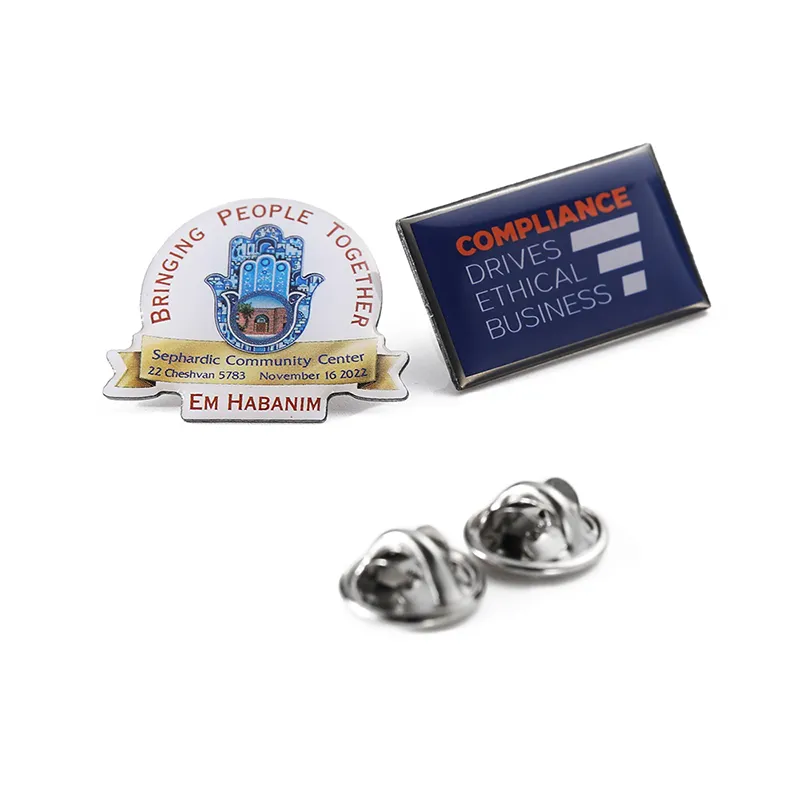
Custom pins are designed specifically for you, making them a one-of-a-kind accessory. You can create a custom pin with your initials, a family crest, a logo, a favorite quote, or any design that has personal meaning. Custom pins are perfect for special occasions like weddings (with the couple’s initials), corporate events (with the company logo), or personal milestones (like a graduation or promotion).
Custom pins can be made from enamel, metal, or other materials, and they’re a great way to showcase your individuality while staying true to formal wear traditions.

Key Rules for Wearing a Pin on a Suit: The Basics
No matter which type of pin you choose, there are a few fundamental rules to follow when wearing a pin on a suit. These rules ensure that your pin looks polished, intentional, and appropriate for the occasion. Let’s break them down:
Rule 1: Wear the Pin on the Left Lapel
This is the most important rule of wearing a suit pin: always wear it on the left lapel. The reason dates back to the military tradition of wearing pins over the heart, symbolizing loyalty, honor, and service. Even if you’re not in the military, this tradition has carried over into formal wear, and wearing a pin on the right lapel will look awkward or out of place (unless it’s part of a specific uniform or tradition).
Look for the buttonhole on your left lapel—this is where the pin should be placed. Most suit jackets have a small, stitched buttonhole on the left lapel (sometimes it’s open, sometimes it’s closed). This buttonhole is specifically designed for a pin or boutonniere, so using it ensures your pin is positioned correctly.
Rule 2: Position the Pin Correctly
Once you’ve confirmed the left lapel, the next step is to position the pin correctly. The ideal placement is between the top of the lapel and the middle of the lapel, roughly 1–2 inches below the collar. This position ensures the pin is visible but not too high (which can look unbalanced) or too low (which can be hidden by a tie or pocket square).
For single-breasted suits (the most common type), the pin should be placed near the buttonhole, either through the buttonhole (if it’s open) or just above it (if it’s closed). For double-breasted suits, the lapel is wider, so you can position the pin slightly higher, closer to the collar, to maintain balance.
Key tip: The pin should be straight, not tilted. A tilted pin can look sloppy or rushed, so take a moment to adjust it before leaving the house.
Rule 3: Keep It Simple (Most of the Time)
Less is more when it comes to suit pins. In most cases, one pin is enough. Wearing multiple pins on the same lapel can look cluttered, distracting, and unprofessional, especially in formal settings like business meetings or black-tie events. If you want to wear more than one pin (for a casual or creative look), space them out across both lapels (one on the left, one on the right) and ensure they complement each other in style and color.
Exceptions to this rule: Vintage or casual looks, where multiple pins can add a playful, eclectic touch. But even then, stick to 2–3 pins maximum to avoid overdoing it.
Rule 4: Match the Pin to the Occasion
The type of pin you wear should align with the formality of the occasion. A bold, colorful enamel pin might be perfect for a casual office party, but it would be inappropriate for a black-tie gala. Here’s a quick guide to matching pins to occasions:
- Black-tie events (galas, formal weddings): Stick to elegant, understated pins like metal pins, small enamel pins, or a classic boutonniere. Avoid large, playful, or colorful pins.
- Business meetings/conferences: Choose simple, professional pins like metal geometric pins, small flag pins, or company logo pins. Avoid anything too flashy or distracting.
- Weddings (as a guest): A small boutonniere (matching the wedding color scheme) or a simple enamel pin works well. Avoid pins that compete with the wedding party’s boutonnieres.
- Casual occasions (office casual, social gatherings): Feel free to be more creative—wear colorful enamel pins, vintage pins, or custom pins that reflect your personality. Just keep it tasteful.
Rule 5: Coordinate with Other Accessories
Your suit pin should complement, not compete with, your other accessories (tie, pocket square, cufflinks, watch). Here are a few coordination tips:
- Color coordination: The pin’s color should either match or complement the color of your tie, pocket square, or suit. For example, if you’re wearing a navy suit with a red tie, a red enamel pin or a gold metal pin (which complements red) would work well. Avoid clashing colors (e.g., a bright green pin with a red tie).
- Metal coordination: If you’re wearing silver cufflinks or a silver watch, choose a silver pin. If you’re wearing gold accessories, choose a gold pin. Mixing metals (e.g., silver pin with gold cufflinks) can look disjointed, especially in formal settings.
- Style coordination: If your tie and pocket square are patterned, choose a simple, solid-colored pin to avoid visual overload. If your accessories are plain, you can opt for a more detailed or colorful pin to add interest.
Step-by-Step Guide: How to Wear a Pin on a Suit
Now that you know the rules and have chosen the right pin, it’s time to learn how to actually attach it to your suit. The process varies slightly depending on the type of pin (e.g., boutonniere vs. enamel pin), but the basic steps are similar. Here’s a step-by-step guide for the most common types of suit pins:
Step 1: Prepare Your Suit Jacket
Start by laying your suit jacket flat on a table or hanging it on a hanger. This will make it easier to access the lapel and ensure you don’t wrinkle the fabric. Locate the buttonhole on the left lapel—this is your target spot. If the buttonhole is closed (many suits come with stitched-shut buttonholes), you can either leave it closed and place the pin above it or carefully open it with a small pair of scissors (be gentle to avoid damaging the fabric).
Step 2: Attach an Enamel or Metal Pin
Most enamel and metal pins have a backing (either a butterfly clutch, a rubber clutch, or a magnetic backing) to keep them in place. Here’s how to attach them:
- Hold the pin with the design facing outward (so it’s visible when you’re wearing the jacket).
- Push the pin’s post through the left lapel, starting from the front (the side that faces outward) and going through to the back. Make sure the post goes through the fabric smoothly—avoid pulling or tugging, which can damage the suit.
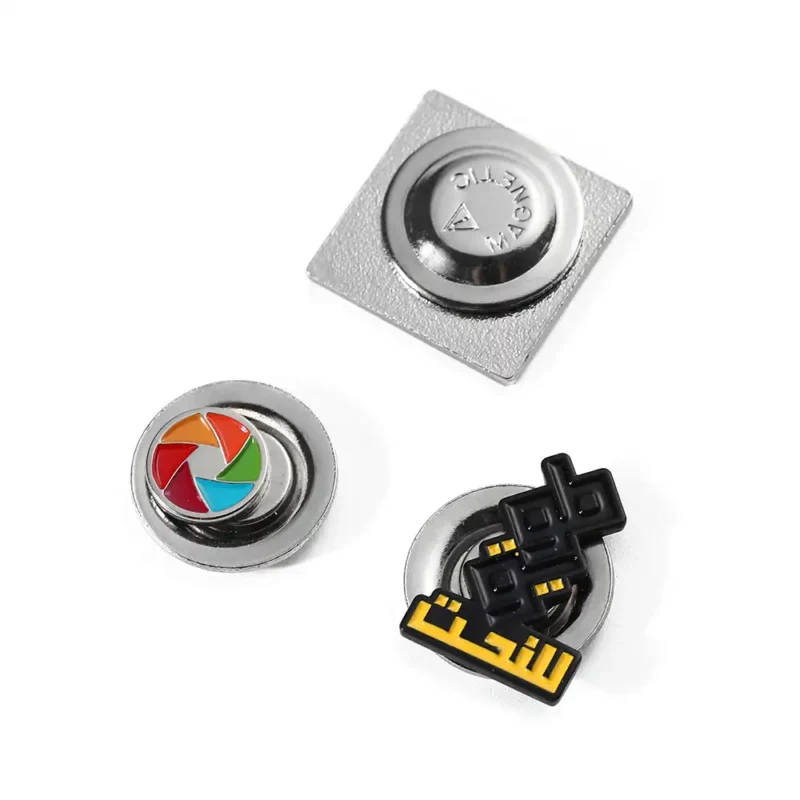
- Once the post is through the lapel, attach the backing to the post from the back of the lapel. For butterfly clutches, squeeze the sides to open, slide it onto the post, and release to secure. For rubber clutches, simply push it onto the post until it’s tight. For magnetic pins, place the magnet on the back of the lapel to hold the pin in place (no need to puncture the fabric).
- Adjust the pin to ensure it’s straight and positioned correctly (1–2 inches below the collar). Gently tug the lapel to make sure the pin is secure and doesn’t move around.
Step 3: Attach a Boutonniere
Boutonnieres require a slightly different approach, as they’re often fresh flowers and need to be secured carefully to avoid damaging the petals. Here’s how to do it:
- Trim the stem of the boutonniere to about 1–2 inches long. This will make it easier to attach and prevent the stem from poking through the back of the lapel.
- If the left lapel has an open buttonhole, insert the stem of the boutonniere through the buttonhole from the front to the back. The flower should face outward, with the leaves slightly below the flower.
- If the buttonhole is closed, use a small pin (like a safety pin) to secure the boutonniere to the lapel. Insert the safety pin through the stem of the boutonniere and then through the lapel (from back to front), making sure the pin is hidden behind the flower and leaves. This will keep the boutonniere in place without damaging the fabric.
- Adjust the boutonniere to ensure it’s straight and positioned correctly. Gently fluff the petals and leaves to make it look natural.
Step 4: Check for Comfort and Security
Once the pin is attached, put on the suit jacket and check how it feels. The pin should not be uncomfortable or poke you when you move your arms. If it’s too tight or pokes, adjust the backing or reposition the pin. Also, make sure the pin is secure—give it a gentle tug to ensure it doesn’t fall off. For fresh boutonnieres, spritz a small amount of water on the petals to keep them fresh throughout the day.
Occasion-Specific Styling: How to Wear a Pin on a Suit for Every Event
As we mentioned earlier, the type of pin you wear should match the occasion. To help you refine your look, here’s a detailed breakdown of how to wear a pin on a suit for common events:
1. Business Meetings and Conferences
Business settings require a professional, understated look. The goal is to add a touch of sophistication without distracting from your message. Here’s what to do:
- Pin type: Choose simple metal pins (geometric shapes, anchor pins, or monogrammed pins), small enamel pins (solid colors or subtle designs), or company logo pins. Avoid large, colorful, or playful pins.
- Color: Stick to neutral colors (black, silver, gold, gray) or colors that match your suit/tie. For example, a silver pin with a gray suit, a gold pin with a navy suit, or a black pin with a black suit.
- Placement: Position the pin 1–2 inches below the collar on the left lapel, near the buttonhole. Keep it straight and secure.
- Accessory coordination: Match the pin’s metal to your cufflinks and watch. Keep your tie and pocket square simple (solid colors or subtle patterns) to avoid clashing.
Example look: Navy suit, white dress shirt, navy tie, silver geometric pin, silver cufflinks, and a white pocket square. This look is professional, polished, and subtly elevated by the pin.
2. Weddings (As a Guest or Groomsman)
Weddings are a formal occasion, but the tone can vary (e.g., beach wedding vs. black-tie wedding). Here’s how to adapt your pin:
- As a groomsman: The groom will likely provide a boutonniere that matches the wedding party’s attire. Follow the groom’s instructions for placement (usually through the buttonhole on the left lapel). If no boutonniere is provided, choose a small, simple pin that matches the wedding color scheme (e.g., a white enamel pin for a white wedding, a light blue pin for a beach wedding).
- As a guest: Opt for a small boutonniere (artificial or fresh) that complements the wedding colors, or a simple enamel pin. Avoid pins that are too flashy or that match the groomsmen’s boutonnieres (you don’t want to blend in with the wedding party). For black-tie weddings, choose an elegant metal pin or a small, white boutonniere.
- Placement: Same as usual—left lapel, 1–2 inches below the collar. For boutonnieres, make sure the flower faces outward and the stem is trimmed short.
Example look: Gray suit, light blue dress shirt, light blue tie, white boutonniere, silver cufflinks. This look is formal but not overpowering, perfect for a wedding guest.
3. Black-Tie Galas and Formal Events
Black-tie events require the most elegant, understated look. The pin should be subtle and sophisticated, adding a touch of luxury without being distracting. Here’s what to do:
- Pin type: Stick to high-end metal pins (gold, silver, or platinum), small enamel pins (solid colors like black, white, or navy), or a classic white boutonniere. Avoid any pins with bold designs, bright colors, or playful themes.
- Color: Neutral colors are best—black, white, silver, gold, or navy. These colors complement a black tuxedo or dark suit.
- Placement: Position the pin slightly higher on the left lapel (closer to the collar) to maintain balance with the tuxedo’s lapel. Keep it straight and secure.
- Accessory coordination: Match the pin’s metal to your cufflinks, watch, and bow tie clip (if you’re wearing one). Keep your pocket square simple (white or black) to avoid visual overload.
Example look: Black tuxedo, white dress shirt, black bow tie, gold metal pin, gold cufflinks, white pocket square. This look is elegant, timeless, and perfectly suited for a black-tie gala.
4. Casual Occasions (Office Casual, Social Gatherings, Dates)
Casual occasions give you more freedom to be creative with your pin. You can experiment with colors, designs, and even multiple pins. Here’s how to pull it off:
- Pin type: Enamel pins (colorful, playful designs), vintage pins, custom pins, or small boutonnieres (artificial). Feel free to mix and match pin types (e.g., one enamel pin and one metal pin) if you want a more eclectic look.
- Color: Bold, bright colors are welcome here. Choose colors that complement your suit (e.g., a red pin with a gray suit, a blue pin with a beige suit) or add a pop of color (e.g., a yellow pin with a navy suit).
- Placement: You can be more flexible with placement—still on the left lapel, but you can position it slightly lower or higher depending on your preference. If wearing multiple pins, space them out across both lapels.
- Accessory coordination: Casual occasions allow for more mixing of metals and patterns. For example, a silver pin with a brown belt buckle, or a colorful enamel pin with a patterned tie. Just make sure the overall look is cohesive.
Example look: Beige suit, light gray dress shirt, patterned tie (blue and white), colorful enamel pin (e.g., a coffee cup or a book), brown belt, and brown shoes. This look is casual, playful, and full of personality.
Common Mistakes to Avoid When Wearing a Pin on a Suit
Even if you follow the rules, it’s easy to make small mistakes that can ruin your look. Here are the most common mistakes to avoid when wearing a pin on a suit:
Mistake 1: Wearing the Pin on the Right Lapel
As we mentioned earlier, this is the most common mistake. Wearing a pin on the right lapel goes against tradition and will look awkward to anyone familiar with formal wear. Stick to the left lapel, over the heart, unless you have a specific reason to wear it on the right (e.g., a uniform requirement).
Mistake 2: Wearing Too Many Pins
Overloading your lapel with multiple pins can look cluttered, unprofessional, and distracting. In most cases, one pin is enough. If you want to wear more than one, limit it to 2–3 and space them out across both lapels. Avoid wearing multiple pins on the same lapel—this will make your look feel chaotic.
Mistake 3: Choosing a Pin That’s Too Large
A large, bulky pin can overpower your suit and draw too much attention. The ideal size for a suit pin is 0.5–1.5 inches in diameter. Anything larger than that will look out of place, especially in formal settings. Boutonnieres should also be small—one small flower is enough, not a large bouquet.
Mistake 4: Mismatching the Pin to the Occasion
Wearing a playful, colorful enamel pin to a black-tie gala or a formal metal pin to a casual backyard BBQ will look out of place. Always match the pin’s style and formality to the occasion. When in doubt, err on the side of simplicity—you can never go wrong with a small, understated pin.
Mistake 5: Not Securing the Pin Properly
A loose or falling pin is not only unprofessional but also risky (you could lose your pin). Make sure the backing is securely attached to the post, and check it periodically throughout the day. For magnetic pins, ensure the magnet is strong enough to hold the pin in place—weaker magnets may not work well with thicker suit fabric.
Mistake 6: Clashing Colors and Metals
Mixing clashing colors (e.g., a bright pink pin with a red tie) or metals (e.g., a silver pin with gold cufflinks) can make your look disjointed. Always coordinate your pin with your other accessories and your suit. If you’re unsure, stick to neutral colors and matching metals.
Mistake 7: Wearing a Pin on a Suit Without a Lapel
Not all suits or jackets have lapels (e.g., some casual blazers or sport coats). If your jacket doesn’t have a lapel, don’t force a pin—wear it on your shirt collar instead, or skip it altogether. Wearing a pin on a jacket without a lapel will look awkward and out of place.
Caring for Your Suit Pins: How to Keep Them Looking Like New
Suit pins are small but valuable accessories, and with proper care, they can last for years. Here are some tips for caring for your pins:
1. Store Them Properly
When you’re not wearing your pins, store them in a dry, cool place to avoid tarnishing (for metal pins) or damage (for enamel or boutonnieres). You can use a jewelry box with small compartments, a pin case, or even a Ziploc bag (for enamel pins). Avoid storing pins in direct sunlight or humid areas, as this can cause the enamel to fade or the metal to rust.
2. Clean Them Regularly
Over time, pins can collect dust, dirt, or fingerprints. Clean them regularly with a soft, dry cloth (like a microfiber cloth) to remove debris. For metal pins, you can use a jewelry cleaner (specifically designed for gold, silver, or brass) to remove tarnish. For enamel pins, avoid harsh cleaners—just wipe them gently with a damp cloth and dry immediately.
3. Handle Them with Care
Avoid dropping or bending your pins, as this can damage the design or the post. When attaching or removing the pin, be gentle—don’t pull or tug on the post, which can bend or break it. For fresh boutonnieres, discard them after use (they won’t last more than a day or two) to avoid rotting or staining your suit.
4. Repair Damaged Pins
If a pin’s post bends or breaks, or if the enamel chips, you can often get it repaired by a jewelry repair shop. For small chips in enamel, you can use a small amount of nail polish (matching the color of the enamel) to touch it up. For broken posts, a jewelry repair shop can replace the post and backing.
Final Thoughts: Wearing a Pin on a Suit with Confidence
Wearing a pin on a suit is a simple way to elevate your formal style, showcase your personality, and pay homage to a long-standing tradition. By following the rules outlined in this guide—choosing the right pin, positioning it correctly, matching it to the occasion, and avoiding common mistakes—you can wear suit pins with confidence, knowing that you look polished, intentional, and stylish.
Remember, the best suit pin is one that reflects your personality while respecting the formality of the occasion. Whether you prefer a classic metal pin, a playful enamel pin, or a timeless boutonniere, the key is to wear it with pride and confidence. A well-chosen pin isn’t just an accessory—it’s a statement about who you are.
So, the next time you put on a suit, don’t forget to add that finishing touch: a perfectly worn pin. It may be a small detail, but it can make a big difference in how you look and feel.
Now that you’re a suit pin expert, it’s time to start building your collection. Whether you’re looking for a simple metal pin for business meetings or a colorful enamel pin for casual occasions, there’s a pin out there for every style and every event. Happy styling!
PRODUCT CATEGORIES
Do you want to have unique metal crafts?
Let's connect ASAP.
We are a professional manufacturer of custom metal crafts, we can create exquisite metal artworks for you according to your needs and preferences.