Metal Craft Blog
When you see a service member in dress uniform, the colorful display across their chest tells a story of dedication, sacrifice, and achievement. These ribbons and medals represent more than just decoration—they embody the experiences, challenges, and accomplishments that define a military career.
What Military Ribbons and Medals Represent
Military ribbons serve as a visual record of a service member’s career accomplishments. Each ribbon corresponds to a specific medal, award, or recognition earned through service. The ribbon itself is the everyday representation of the full medal, which is typically reserved for formal occasions and ceremonial uniforms.
The system of military decorations exists to acknowledge various forms of service: combat valor, meritorious achievement, campaign participation, length of service, and specialized training completion. Understanding these distinctions helps civilians and new service members alike appreciate the depth of meaning behind each colored rectangle.
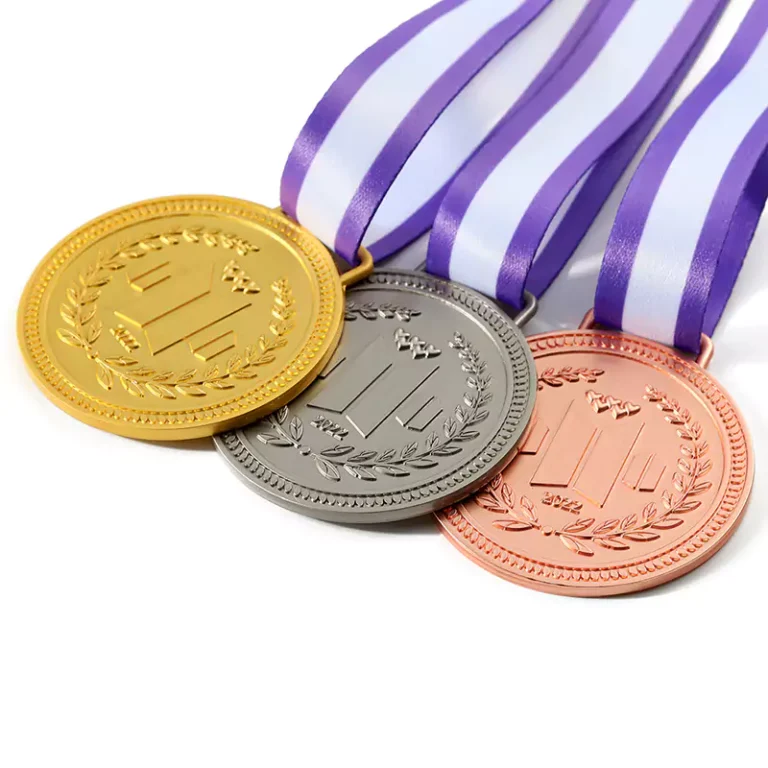
The Hierarchy of Military Decorations
Military medals follow a specific precedence, with valor awards ranking highest, followed by achievement medals, service awards, and qualification badges. This hierarchy reflects the military’s values and priorities.
Valor Decorations recognize extraordinary heroism in combat situations. The Medal of Honor stands as the nation’s highest military decoration, followed by service-specific crosses (Navy Cross, Distinguished Service Cross, Air Force Cross). These awards require exceptional courage under fire and are relatively rare.
Achievement and Service Medals acknowledge outstanding performance of duties, both in combat and non-combat roles. The Defense Distinguished Service Medal, Silver Star, and Bronze Star occupy upper tiers of this category. The Bronze Star can be awarded with or without a “V” device (indicating valor), making it applicable to both combat heroism and meritorious service.
Campaign and Service Ribbons document participation in specific operations, deployments, or periods of service. Examples include the Global War on Terrorism Service Medal, Afghanistan Campaign Medal, and various unit citations that recognize collective achievements.
Common Military Ribbons Across Services
While each military branch maintains its own award system, many ribbons are standardized across services. The National Defense Service Medal, awarded to all service members during designated periods of conflict, features red stripes flanking a yellow center. The Armed Forces Expeditionary Medal, with its three vertical stripes of blue, yellow, and red, recognizes participation in military operations that don’t qualify for specific campaign medals.
The Army Achievement Medal ribbon displays green and white stripes, while the Air Force Achievement Medal features blue and orange. The Navy and Marine Corps Achievement Medal shows blue and orange in a different configuration. These distinctions reflect each service’s unique identity while serving similar recognition purposes.
Understanding Ribbon Colors and Patterns
The color schemes aren’t arbitrary—they often reflect the nature of the award or the theater of operations. Desert operations typically incorporate tan or brown tones, while ribbons honoring peacetime service might feature blues and whites. Red frequently appears in valor awards, symbolizing bloodshed and sacrifice.
Pattern complexity can indicate an award’s significance. Simple horizontal stripes often denote service ribbons, while more intricate patterns with vertical elements, stars, or multiple color blocks typically represent higher achievements. The specific arrangement creates a unique visual identifier for each decoration.
The Highest Non-Combat Decorations
For those serving in non-combat roles or during peacetime, numerous prestigious awards recognize exceptional service. The Defense Meritorious Service Medal stands among the highest peacetime decorations, followed by service-specific versions like the Meritorious Service Medal. The Joint Service Commendation Medal and individual service commendation medals also hold significant weight.
The Legion of Merit represents one of the highest non-combat awards, typically reserved for senior officers or civilians who perform exceptionally meritorious conduct in government positions. Its magenta ribbon bordered with white represents its distinguished status.
Special Recognition: The Purple Heart
Among all military decorations, the Purple Heart holds unique significance. Its purple ribbon with white borders is instantly recognizable and carries profound meaning. Established by George Washington in 1782 and revived in 1932, this medal honors service members wounded or killed in action against an enemy or by enemy action.
The Purple Heart is never sought—it comes at the cost of blood and sacrifice. Unlike achievement awards that recognize excellence in performance, this medal acknowledges what service members have endured rather than what they’ve accomplished. Many recipients view it with mixed emotions, grateful for the recognition while wishing they hadn’t earned it.
If you are researching awards from the Second World War, our guide to identifying WWII medals and ribbons walks through the most common decorations of that era step by step.
Reading a Ribbon Rack
When viewing a service member’s ribbon rack, the top row contains their highest awards, arranged from the wearer’s right to left in order of precedence. Subsequent rows follow the same pattern, creating a descending hierarchy of achievements. Small metal devices attached to ribbons convey additional information: stars indicate multiple awards of the same decoration, oak leaf clusters serve similar purposes for some branches, and letter devices specify particular distinctions (V for valor, C for combat).
A well-informed observer can discern significant information from a ribbon rack: deployment history, combat experience, length of service, and specialized qualifications. However, what isn’t visible matters equally—the personal stories, challenges overcome, and sacrifices made that each ribbon represents.
Two widely awarded medals have their own detailed guides: the Meritorious Service Medal and the National Defense Service Medal.
Service-Specific Recognition Systems
Each military branch maintains distinctive awards that reflect its unique mission and culture. The Army’s Expert Infantryman Badge, the Navy’s Enlisted Aviation Warfare Specialist designation, the Air Force’s Aerial Achievement Medal, and the Marine Corps’ Navy Expeditionary Medal each hold special significance within their respective services.
Understanding these service-specific distinctions requires familiarity with each branch’s structure and values. What constitutes exceptional achievement in the Air Force might differ from Marine Corps standards, yet all reflect the same underlying principle: recognizing excellence and dedication.
The Weight of Responsibility
Having worked alongside service members throughout my career in military affairs, I’ve witnessed firsthand how seriously personnel take their decorations. I remember speaking with a young soldier who had just received his first Army Commendation Medal. He didn’t display pride or boastfulness—instead, he expressed a sense of responsibility to live up to the recognition and concern about whether he truly deserved it. This humility characterizes how many service members view their awards.
The ribbons aren’t merely personal achievements; they represent the teams, units, and missions that made those achievements possible. A battalion commander once told me that looking at his ribbon rack reminded him not of his own accomplishments, but of the soldiers who served under his leadership and made those recognitions possible.
The Top 10 U.S. Military Medals in Order of Precedence
1. Medal of Honor
The Medal of Honor stands alone as America’s highest military decoration. Awarded for conspicuous gallantry and intrepidity at the risk of life above and beyond the call of duty, this medal has been bestowed upon about 3,500 recipients since its creation during the Civil War. Each service branch has a distinct design, but all carry the same weight of extraordinary heroism.
2. Distinguished Service Cross (Army/Air Force) / Navy Cross / Coast Guard Cross
These service-specific decorations rank second in precedence. They recognize extreme gallantry and risk of life in actual combat with an armed enemy force. The standards remain exceptionally high, requiring actions that clearly distinguish the individual above their comrades.
3. Defense Distinguished Service Medal
This decoration recognizes exceptionally meritorious service to the United States in a duty of great responsibility within the Department of Defense. Typically awarded to senior military leaders, it acknowledges strategic-level contributions that significantly impact national security.
4. Distinguished Service Medal
Each military branch awards its own Distinguished Service Medal for exceptionally meritorious service to the government in a duty of great responsibility. These medals honor leaders whose decisions and actions shaped military operations at the highest levels.
5. Silver Star
The Silver Star recognizes gallantry in action against an enemy of the United States. It’s awarded for singular acts of valor that don’t quite meet the threshold for higher decorations but still demonstrate remarkable heroism under combat conditions.
6. Defense Superior Service Medal
This medal honors superior meritorious service in positions of significant responsibility within joint operations or Department of Defense agencies. Recipients typically serve in roles that affect multiple service branches.
7. Legion of Merit
The Legion of Merit acknowledges exceptionally meritorious conduct in the performance of outstanding services and achievements. Unlike higher decorations that focus primarily on combat valor, this award recognizes both combat and non-combat excellence at the strategic level.
8. Distinguished Flying Cross
Established in 1926, the Distinguished Flying Cross honors heroism or extraordinary achievement while participating in aerial flight. Recipients have demonstrated skills and courage that clearly separate them from their peers during flight operations.
9. Soldier’s Medal (Army) / Navy and Marine Corps Medal / Airman’s Medal / Coast Guard Medal
These service-specific decorations recognize heroism not involving actual conflict with an enemy. They honor individuals who risk their lives to save others, often during natural disasters, accidents, or other emergencies.
10. Bronze Star Medal
The Bronze Star recognizes heroic or meritorious achievement in a combat zone. With a distinctive “V” device, it denotes valor in combat; without it, the medal acknowledges meritorious service. It’s one of the most widely awarded combat decorations while still maintaining significant prestige.

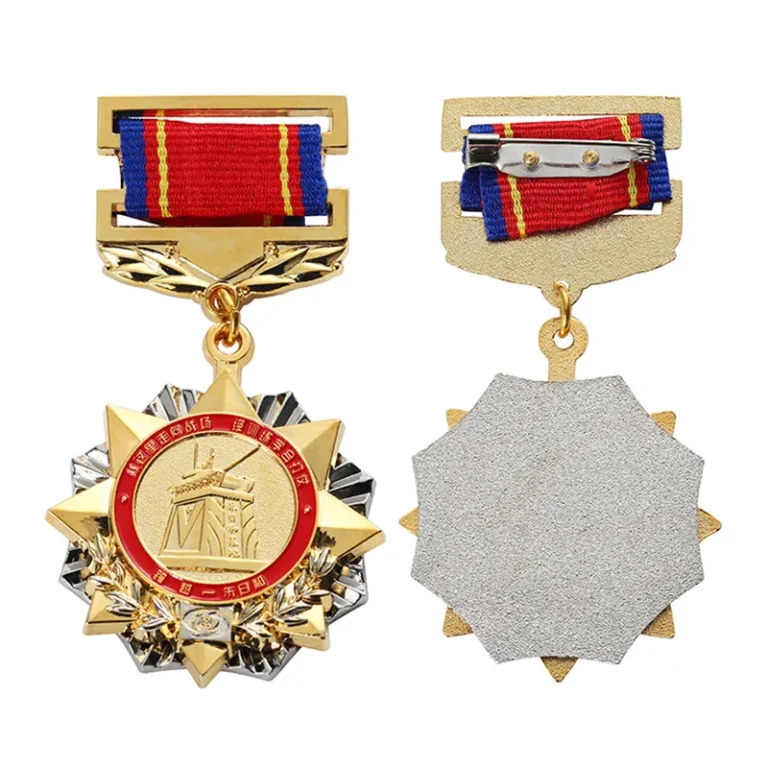
Combat Awards in the Army
Combat awards army regulations specify clear criteria for valor decorations. The Medal of Honor stands as the nation’s highest military award, given only for conspicuous gallantry at the risk of life above and beyond the call of duty. Below this are the Distinguished Service Cross, Silver Star, and Bronze Star Medal with “V” device for valor.
The Combat Infantryman Badge and Combat Action Badge, while technically badges rather than medals, are highly valued indicators that a soldier has engaged in active ground combat. These awards carry significant weight within the military community and often define a soldier’s service experience.
Army combat medals also include the Purple Heart, which is unique in that it recognizes wounds received in action rather than specific acts of courage. This medal honors the sacrifice of those injured or killed while serving, regardless of the circumstances that led to their wounds.
The Process of Awarding Combat Decorations
Receiving combat awards involves a rigorous review process. Typically, a soldier’s chain of command initiates the recommendation, providing detailed accounts of the action and witness statements. These recommendations move up through multiple levels of review, with higher awards requiring approval from senior officers or even the President.
The time between the action and the award ceremony can vary considerably. Some medals are presented shortly after the event, while others may take months or even years to process, particularly if they require extensive documentation or involve classified operations.
FOR UNITS, VETERAN GROUPS & MUSEUMS
Need custom medals, ribbons or coins for your unit?
Hesank makes custom military-style medals, ribbon bars, insignia and unit challenge coins in our own factory: die-struck or cast, antique finishes and custom ribbons. MOQ 50 pcs, free design proof, 12–15 days production.
Campaign and Service Medals
Campaign medals document participation in specific military operations or wars. These awards don’t necessarily require combat action but acknowledge service during designated periods and locations. The Afghanistan Campaign Medal, Iraq Campaign Medal, and Global War on Terrorism Service Medal represent recent conflicts.
Historical campaign medals include the Vietnam Service Medal, Korean Service Medal, and World War II Victory Medal. Each features distinctive ribbon patterns that instantly identify the conflict to those familiar with military decorations.
Service medals recognize longevity and good conduct. The National Defense Service Medal, awarded to all service members during specific periods of national emergency, appears frequently in military service records. The Armed Forces Reserve Medal with its distinctive hourglass design acknowledges reserve component service.
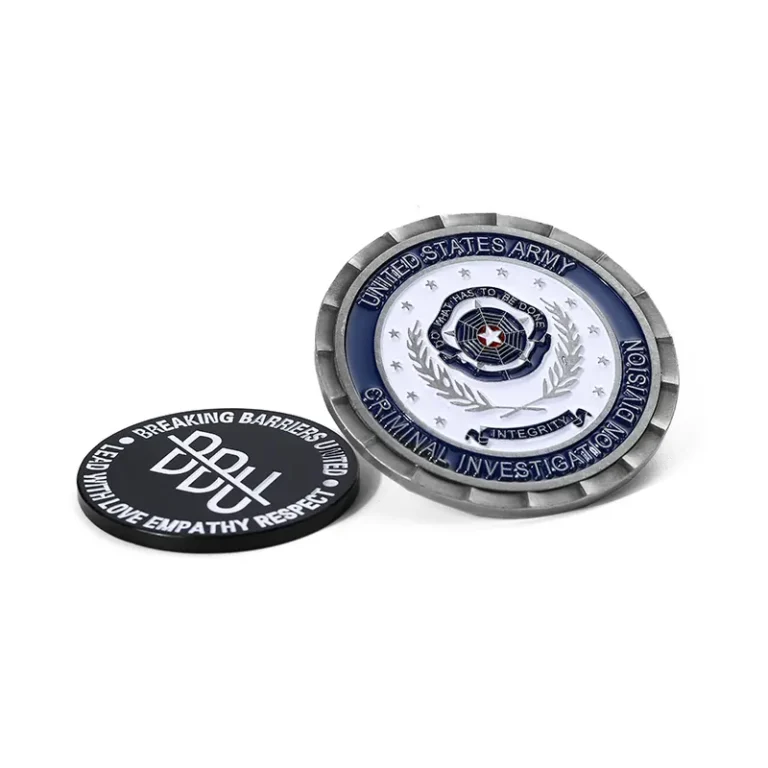
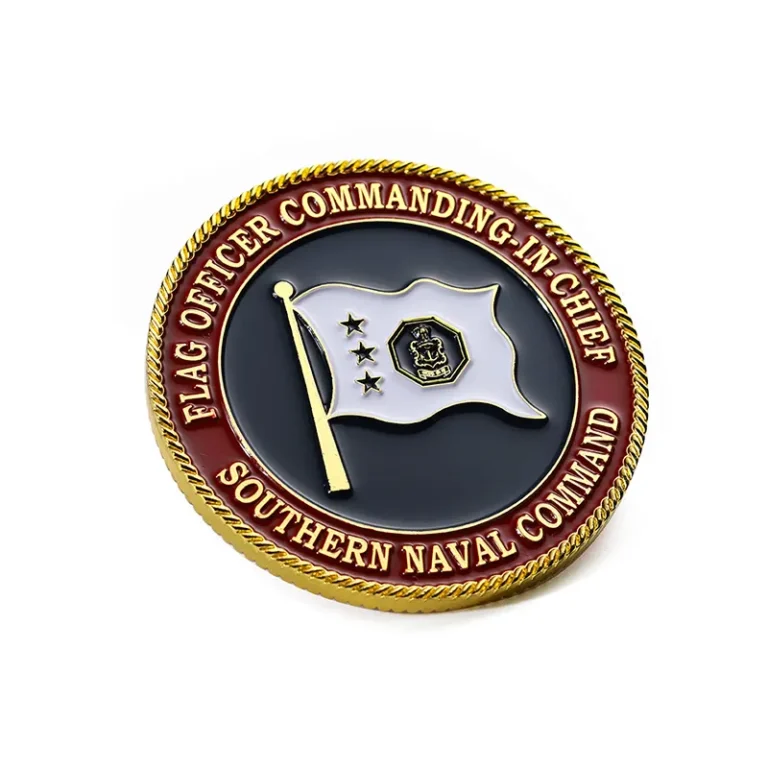
Units often mark deployments, anniversaries and change-of-command ceremonies with their own custom military challenge coins, alongside official unit awards.
The Significance of Unit Awards
Unit awards recognize the collective achievement of entire organizations, from small teams to large formations. The Presidential Unit Citation and Valorous Unit Award are among the highest unit decorations, awarded when an entire unit displays extraordinary heroism in combat.
Soldiers who were assigned to a unit during the period it earned such recognition are authorized to wear the award permanently, even after transferring to other assignments. This creates a lasting connection between the individual and the unit’s historic achievement.
Qualification Badges and Special Recognition
Beyond traditional medals and ribbons, the military awards various badges and tabs that recognize specialized training and qualifications. Infantry soldiers earn the Expert Infantryman Badge through rigorous testing. Paratroopers display their distinctive jump wings. Special Forces soldiers wear the coveted Green Beret and Special Forces Tab.
These qualification devices carry their own prestige within military communities, often indicating the successful completion of some of the most challenging training programs in the armed forces.
Foreign Decorations and International Recognition
American service members sometimes receive decorations from allied nations, particularly when serving in coalition operations or multinational commands. Wearing foreign awards on U.S. military uniforms requires specific authorization and follows detailed regulations. These international decorations represent the bonds formed between allied forces and acknowledge American contributions to international security.
Ribbon Bars and Full Medals
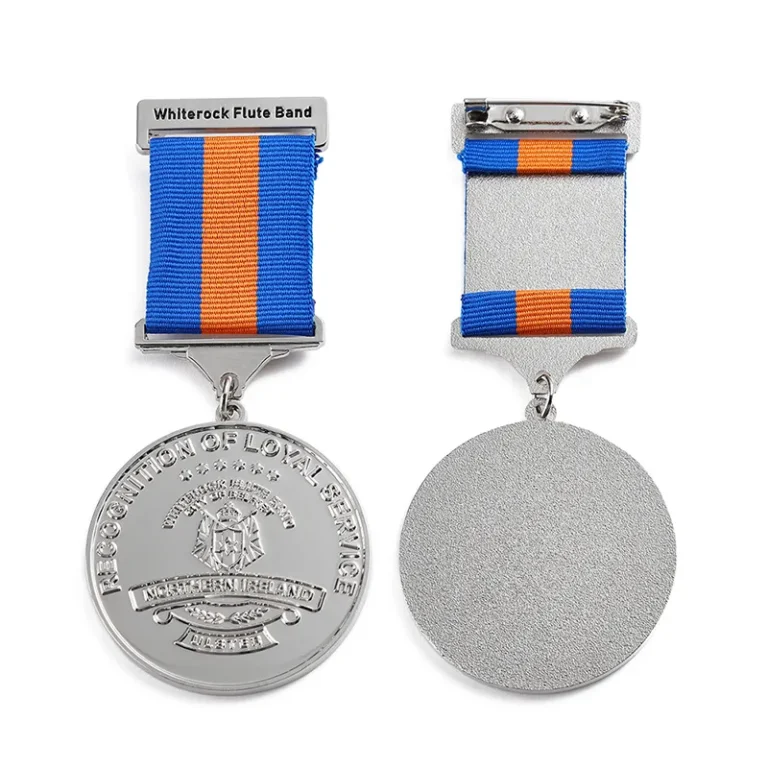
Service members wear decorations in two primary forms. Full medals—the complete decoration with ribbon and medallion—appear on dress uniforms during formal occasions. Ribbon bars, small rectangular fabric representations showing just the ribbon portion, are worn on standard duty uniforms.
Understanding this distinction helps when viewing military photographs or attending ceremonies. A service member’s uniform might display dozens of ribbon bars, each representing a full medal they’ve earned. The arrangement follows strict left-to-right, top-to-bottom precedence rules.
Dress uniforms have their own rules: see how to wear medals on Army dress blues and how miniature medals for mess dress differ from full-size medals.
Proper Display and Wear
On the Uniform: Military regulations specify exact placement. Ribbons appear above the left breast pocket in order of precedence, with the highest-ranking award positioned closest to the wearer’s heart. Full medals hang from a ribbon draped over the chest during ceremonial occasions.
Rack Building: Creating a ribbon rack requires attention to detail. Service members arrange their ribbons in rows, typically three per row, though this varies by branch and number of awards. Small metallic devices—stars, oak leaf clusters, or numeral attachments—indicate multiple awards of the same decoration.
Shadow Boxes and Display Cases: Veterans often preserve their medals in shadow boxes after retirement. These displays combine the ribbon bars, full medals, rank insignia, patches, and photographs into a comprehensive visual record of service.
For framing and shadow boxes, read our guides to mounting military medals and choosing a display for medal ribbons.
Preserving and Displaying Military Medals
Proper preservation ensures military medals remain in good condition for future generations. Store medals in dry, cool environments away from direct sunlight. Acid-free tissue paper helps prevent tarnishing and ribbon deterioration. Shadow boxes designed specifically for military decorations provide both protection and dignified display options.
When mounting medals for display, maintain the official order of precedence and proper spacing. Include accompanying documentation such as award citations or certificates when possible. Photographs of the service member in uniform add personal context to the display.
Applying for Awards
Soldiers who believe they or someone they served with deserves recognition can initiate award recommendations through their chain of command. The process requires detailed documentation, witness statements, and often supporting evidence such as after-action reports or intelligence summaries.
Veterans can also request reviews of their military records if they believe they were eligible for awards that were never processed. The Army Review Boards Authority handles these requests, though the burden of proof rests with the applicant to demonstrate eligibility.
Common Questions About Military Medal Rankings
Do all service branches use the same ranking system?
While each branch maintains some unique decorations, the Department of Defense establishes a joint order of precedence that applies across all services. Service-specific medals of equivalent prestige occupy the same position in the hierarchy.
Can someone receive multiple high-level decorations?
Yes, though it’s rare. Some service members have received multiple Silver Stars or even more than one Medal of Honor, though such cases are exceptional and reflect sustained extraordinary service.
How do foreign decorations fit into this system?
U.S. military members may receive and wear foreign medals, which occupy specific positions in the order of precedence, typically after U.S. decorations of similar significance.
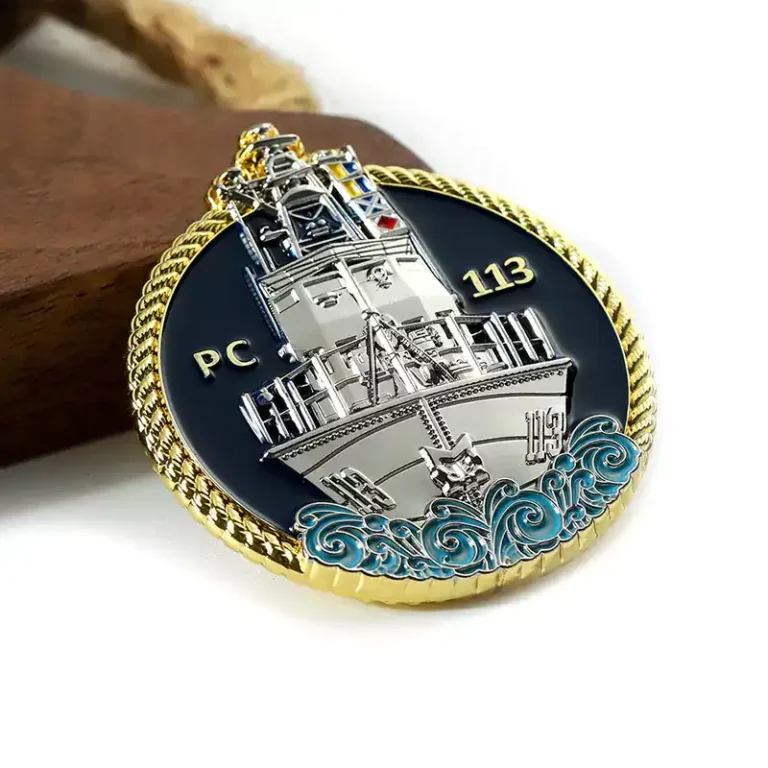
Organizations that want to recognize members in a similar way can commission their own awards. Hesank produces military challenge coins, military badges and insignia, award medals with custom ribbons and honor badges. See the full range for military and police organizations.
Beyond the Chest: What Medals Really Mean
Military decorations serve purposes beyond individual recognition. They maintain morale, establish standards of excellence, and preserve institutional memory of significant operations and campaigns. When a grandfather shows his grandchildren his service ribbons, he’s passing down more than family history—he’s connecting them to larger national narratives of service and sacrifice.
For civilians, understanding military ribbons and medals provides insight into military culture and the experiences of those who serve. Each colored ribbon represents commitments made, challenges faced, and duties fulfilled in defense of the nation. Some represent moments of extraordinary courage, others years of steady dedication, and still others the simple fact of having answered the call to serve.
The next time you encounter a service member in uniform, those ribbons across their chest deserve a moment of reflection. They’re not just decorations—they’re a visual language that speaks of duty, honor, and sacrifice. Whether earned in combat zones or support roles, through decades of service or single acts of valor, each ribbon carries weight and meaning that extends far beyond its physical form.
Understanding this system enriches our appreciation for military service and reminds us that behind every ribbon lies a human story of commitment to something greater than oneself.