Metal Craft Blog
Home » Metal Craft Blog » The Ultimate Guide to Badges: History, Types, Uses, and How to Choose the Perfect One in 2026
The Ultimate Guide to Badges: History, Types, Uses, and How to Choose the Perfect One in 2026
Table of Contents
In a world filled with visual communication, badges have stood the test of time as versatile, meaningful symbols bridging identity, achievement, and expression. From ancient emblems of royalty to modern custom badges on backpacks, uniforms, and digital profiles, these small accessories carry stories, represent values, and forge connections. Whether you’re a business owner boosting brand recognition, an event organizer crafting keepsakes, a collector seeking rare pieces, or someone adding personal flair to their style, this guide explores everything you need to understand, appreciate, and leverage badges.
We’ll dive into badge history, break down popular types and their purposes, examine materials and manufacturing, share tips for choosing/designing/caring for badges, highlight industry trends, and answer common questions. By the end, you’ll gain both appreciation for these symbols and the knowledge to find or create the perfect badge.
1.The History of Badges: From Ancient Symbols to Modern Staples
Badges are more than decorations—they boast a thousands-year history as markers of status, loyalty, achievement, and belonging. Understanding their past reveals their present significance and evolution.
1.1 Ancient Origins (3000 BCE – 500 CE)
The earliest badges date to ancient civilizations, used to denote social status, religion, or military rank. In 3000 BCE Egypt, pharaohs and elites wore gold, silver, or gemstone pins inscribed with hieroglyphs, communicating authority silently. These weren’t just accessories but symbols of divine power.
In ancient Greece and Rome, badges served military purposes. Roman soldiers wore “signa” (standards) and “phalerae” (chest metal disks) representing their legion, rank, and bravery—phalerae were awarded for courage. Greek Olympic winners received laurel wreaths, natural badges of victory and honor.
Religious badges emerged too. Early Christians wore small crosses or fish symbols (ichthys) to secretly identify one another during persecution, a testament to faith and community.
1.2 Medieval and Renaissance Periods (500 CE – 1600 CE)
In medieval Europe, badges became widespread via the feudal system. “Livery badges” were distributed by lords to servants, knights, and supporters, featuring family crests or mottos. Worn on clothing or armor, they signaled allegiance—wearing an enemy’s badge was treason, punishable by death.
Famous examples include King Richard II’s “White Hart” badge and the Lancaster (red rose) and York (white rose) badges, symbols of the Wars of the Roses. Pilgrim badges also thrived: travelers to holy sites (e.g., Santiago de Compostela) wore lead/tin badges featuring saints or site symbols, proving their journey and signifying piety.
The Renaissance made badges more decorative and accessible to the middle class. Advances in metalworking allowed intricate designs, and wealthy merchants commissioned custom badges to display wealth and taste, shifting badges from status symbols to fashion accessories.
1.3 Industrial Revolution to the 20th Century (1700s – 1990s)
The Industrial Revolution revolutionized badge production. Mass manufacturing (stamping, casting, enameling) made badges affordable and widespread, expanding their uses.
In the 19th century, badges promoted politics, social movements, and businesses. Political parties distributed candidate badges; labor unions used them to unite workers; companies like Coca-Cola and Ford made promotional badges for customers and employees.
Military badges became standardized. U.S. Army and Navy issued service badges, rank insignia, and campaign medals, highly prized symbols of service and pride.
The 20th century integrated badges into daily life. Scouting organizations popularized achievement badges, motivating youth to learn skills. Schools used them to recognize academic, athletic, and leadership success.
World Wars I and II turned badges patriotic—civilians and soldiers wore flags or “Support Our Troops” slogans to boost morale. Post-war, badges supported civil rights, environmentalism, and gender equality. By the late 20th century, youth cultures (punk, mod, rock) used band, political, or pop culture badges to express identity and connect with peers.
1.4 Badges in the 21st Century (2000s – Present)
Today, badges adapt to the digital age while retaining timeless appeal. Digital badges (via Credly or LinkedIn) certify skills, courses, or participation, shared on social media or resumes with verifiable metadata—eco-friendly and cost-effective.
Physical badges remain essential: businesses use them for uniforms, loyalty programs, and branding; events use them as tickets or souvenirs; collectors seek vintage pieces; individuals use them for self-expression. Custom manufacturing platforms now let anyone design and order badges, keeping them relevant.
2. Types of Badges: A Comprehensive Breakdown
Badges come in diverse types, each tailored to purpose, style, or use case. Knowing these helps you choose the right one for jackets, corporate use, or event souvenirs.
2.1 Enamel Badges
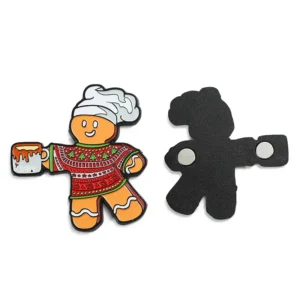
Enamel badges are iconic for durability, vibrant colors, and sleek finishes. Made by filling metal (copper, brass, zinc) recesses with colored enamel, fired at high temperatures, they come in two styles:
Soft Enamel Badges: Affordable and versatile, with raised metal “ridges” and enamel fired at 700–800°C for a textured look. Customizable with many colors, ideal for bulk orders, promotions, or events—lightweight and comfortable to wear.
Hard Enamel Badges (Cloisonné): Premium, with enamel fired at 800–900°C (melting for an even fill) and polished flush with metal ridges. More scratch/fade-resistant than soft enamel, perfect for high-end branding, corporate use, or collectors—luxurious and professional.
Uses: Corporate branding, employee ID, event souvenirs, band merch, political campaigns, scouting, and fashion.
2.2 Metal Badges (Non-Enamel)
Made entirely of metal (brass, copper, stainless steel, aluminum) with platings (gold, silver, nickel) for shine. Created via stamping (raised designs from metal sheets), casting (intricate designs from molten metal), or engraving (ink-filled for contrast).
Key Features: Durable, scratch-resistant, sleek, and often more affordable than enamel for bulk orders—ideal for formal or professional settings.
Uses: Military rank, police/security badges, corporate IDs, school crests, fraternity/sorority badges, and formal event souvenirs.
2.3 PVC/Soft Plastic Badges
Lightweight, flexible, and affordable, PVC badges are made by injecting liquid PVC into molds, cured into a rubber-like texture. Available in neon/glow-in-the-dark colors and 2D/3D designs.
Key Features: Waterproof and shock-resistant, great for outdoor use, kids’ accessories, or active lifestyles. Affordable for bulk, but less durable than metal/enamel—may fade/crack in extreme heat/sunlight.
Uses: Kids’ toys, outdoor event badges, promotions, brand merch (keychains), and sports team badges.
2.4 Digital Badges
Digital images (PNG) representing achievements, skills, or participation, issued via platforms like Credly or LinkedIn Learning. Shared online (social media, resumes, portfolios) with verifiable issuer/date metadata.
Key Features: Shareable, verifiable, cost-effective, and eco-friendly (no physical materials).
Uses: Academic certifications, professional development, online course completion, employee training, event participation, and skill verification (coding, design, language).
2.5 Magnetic Badges
Any badge (enamel, metal, PVC) with a magnetic backing: a magnet on the badge and a metal plate inside clothing, securing it without damaging fabric.
Key Features: Gentle on delicate fabrics (silk, wool), easy to use, and secure—unsuitable for heavy badges or strong magnetic fields.
Uses: Corporate IDs, event staff badges, senior badges, and anyone avoiding pin damage.
2.6 Name Badges/ID Badges
Designed to display name, title, company, or organization, worn by employees, volunteers, students, or event staff. Made from metal, plastic, acrylic, or paper, customizable with photos/logos.
Reusable badges (plastic holders with insert cards) suit temporary staff/events; permanent badges (engraved metal/printed plastic) are for long-term use.
Key Features: Practical, readable, customizable—boost professionalism, customer service, and community.
Uses: Corporate offices, retail, restaurants, hospitals, schools, events, and volunteer groups.
2.7 Achievement Badges
Awarded for skills, accomplishments, or program participation, most linked to scouting but also used by schools, sports teams, and businesses to motivate.
Made from enamel, metal, or PVC, featuring designs tied to the achievement (hiking, painting, leadership). Collected and displayed on sashes, jackets, or backpacks to showcase success.


3. Badge Materials & Manufacturing Processes
The quality, look, and durability of a badge depend on its materials and manufacturing. Understanding these helps you choose the right option for your needs and budget.
3.1 Common Badge Materials
Metals: The foundation of most physical badges. Copper is ideal for enamel (malleable, holds enamel well); brass offers a warm, classic look; zinc alloy is affordable for bulk orders; stainless steel is durable for long-term use; aluminum is lightweight for large badges.
Enamel: Used in enamel badges—soft enamel is lower-temperature, cost-effective; hard enamel is high-temperature, premium. Both come in matte, glossy, or translucent finishes.
PVC/Plastic: For flexible, affordable badges—PVC is waterproof and colorful; acrylic is rigid and clear, often used for name badges.
Other Materials: Wood (eco-friendly, rustic look), leather (premium, textured), and paper (disposable, affordable for events).
3.2 Key Manufacturing Processes
Stamping: Popular for metal badges—metal sheets are pressed into molds to create raised designs. Fast and cost-effective for bulk orders, ideal for simple to moderately intricate designs.
Casting: Used for detailed metal or PVC badges—molten material is poured into molds. Perfect for 3D designs or complex shapes, but slower and more expensive than stamping.
Enameling: For enamel badges—recessed metal areas are filled with enamel, fired, and polished (for hard enamel). Requires precision to ensure even color and finish.
Engraving: Designs are etched into metal, plastic, or wood—color-filled engraving adds contrast. Ideal for name badges or personalized pieces.
Printing: Digital printing on paper, plastic, or metal for full-color, photo-like designs. Fast and affordable for simple designs or bulk orders.
4. How to Choose the Perfect Badge: A Practical Guide
Choosing the right badge depends on your purpose, budget, audience, and style. Follow these steps to make the best decision:
4.1 Define Your Purpose
Clarify why you need a badge: Brand promotion? Employee ID? Event souvenir? Achievement recognition? Your purpose dictates type, material, and design. For example, promotional badges need affordability (soft enamel/PVC); corporate IDs need professionalism (hard enamel/metal).
4.2 Set a Budget
Budgets vary—soft enamel and PVC badges are cheapest for bulk; hard enamel and custom metal badges are premium. Factor in quantity, size, design complexity, and backing type (magnetic vs. pin) when budgeting.
4.3 Consider Your Audience
Who will wear/use the badge? Kids need durable, non-toxic PVC; professionals need sleek metal/hard enamel; collectors want high-quality hard enamel or vintage-style metal.
4.4 Choose the Right Type & Material
Match type/material to purpose and audience: Use enamel for brand merch/collectors; metal for formal IDs; PVC for kids/outdoor events; digital for online achievements.
4.5 Design Tips for Effective Badges
Keep designs simple—small badges (1–2 inches) can’t handle intricate details. Use high-contrast colors for readability; include your logo/symbol for branding; choose a shape that fits your theme (round, square, custom). For text, use bold, legible fonts—avoid small text that’s hard to read.
4.6 Select the Right Backing
Backings affect usability: Pin back (classic, affordable, fits most clothing); magnetic back (gentle on delicate fabrics); clip back (secure for thick clothing); lanyard loop (for ID badges).
5. How to Design Custom Badges: Step-by-Step
Custom badges let you create unique pieces for personal or professional use. Follow these steps to design one that stands out:
5.1 Gather Inspiration
Look for inspiration in your brand, event theme, or personal style. Browse badge galleries, social media, or collector sites to find designs you like—note colors, shapes, and details that align with your vision.
5.2 Define Your Design Elements
Decide on key elements: Shape (standard or custom), size (1–3 inches is common), colors (brand colors or theme-related), graphics (logo, symbol, illustration), and text (name, slogan, date). Keep it simple—focus on 1–2 key elements to avoid clutter.
5.3 Use Design Tools
Use user-friendly tools like Canva, Adobe Illustrator, or online badge design platforms. Most custom badge companies offer design templates—customize them with your elements. Ensure your design is high-resolution (300 DPI) for clear printing/manufacturing.
5.4 Choose a Custom Badge Company
Select a reputable company with positive reviews, clear pricing, and sample options. Look for companies that offer free design proofs—review the proof carefully to check colors, text, and details before production.
5.5 Place Your Order & Review Samples
Confirm quantity, material, backing, and delivery time. Many companies offer a physical sample for large orders—check it to ensure quality matches your expectations before full production.
6. Caring for Your Badges: Tips for Longevity
Proper care keeps badges looking new for years. Follow these tips based on material:
6.1 Enamel Badges
Avoid scratches—store in a soft pouch or badge case. Clean with a dry, soft cloth; avoid water, harsh chemicals, or abrasive cleaners. Remove before showering/swimming to prevent enamel damage.
6.2 Metal Badges
Prevent tarnishing—store in a dry place. Clean with a metal polish (for gold/silver platings) or a damp cloth. Avoid exposure to moisture or chemicals (perfume, lotion) that can damage plating.
6.3 PVC Badges
Clean with a damp cloth and mild soap. Avoid extreme heat (direct sunlight, hot cars) that can cause warping or fading. Store flat to prevent bending.
6.4 Collectible Badges
For rare/vintage badges, use acid-free tissue paper or display cases to prevent damage. Avoid handling with bare hands (oils can damage surfaces). Keep away from direct sunlight and moisture.


7. Emerging Trends in the Badge Industry (2026)
The badge industry continues to evolve—here are the top trends shaping 2026:
7.1 Sustainable & Eco-Friendly Badges
Consumers demand eco-friendly options—companies now offer badges made from recycled metals, biodegradable PVC, wood, or leather. Digital badges also reduce environmental impact by eliminating physical materials.
7.2 Customization & Personalization
Personalized badges are on the rise—individuals and businesses want one-of-a-kind designs. Online platforms make it easy to customize every detail (shape, color, text, backing) without high costs.
7.3 Tech-Integrated Badges
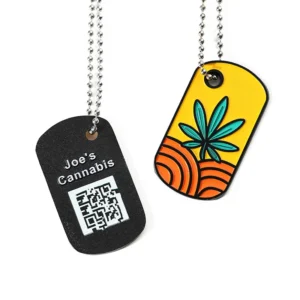
Tech-enhanced badges combine physical and digital elements. QR code badges link to websites, social media, or event info; NFC badges allow contactless check-in or information sharing. These are popular for events, conferences, and brand promotion.
7.4 Nostalgic & Vintage-Inspired Designs
Vintage-inspired badges (1950s–1990s styles) are trending, especially among collectors and youth. Retro colors, classic logos, and distressed finishes evoke nostalgia, making them popular for brand merch and fashion.
7.5 Minimalist & Sleek Designs
For corporate and professional use, minimalist badges with clean lines, neutral colors, and simple logos are preferred. These align with modern branding trends and offer versatility.
8. Common Questions About Badges (FAQs)
Here are answers to frequently asked questions to help you navigate the badge world:
8.1 How long does it take to make custom badges?
Production time varies—soft enamel/PVC badges take 5–7 business days; hard enamel/metal badges take 7–10 days. Rush orders (3–5 days) are available for an extra fee. Design proofs take 1–2 days to process.
8.2 What’s the minimum order quantity for custom badges?
Most companies require a minimum of 50–100 badges for bulk orders, but some offer small orders (10–20 badges) for higher per-unit costs. Digital badges have no minimum order.
8.3 How much do custom badges cost?
Cost depends on type, material, quantity, size, and design. Soft enamel badges start at $0.50–$1 per unit (bulk); hard enamel at $1.50–$3 per unit; PVC at $0.30–$0.80 per unit. Small orders or complex designs cost more.
8.4 Can I use my logo or design for custom badges?
Yes—most companies accept high-resolution (300 DPI) files (PNG, JPG, AI, EPS). If you don’t have a design, many offer in-house designers to create one for a fee.
8.5 Are digital badges recognized by employers or schools?
Yes—reputable digital badge platforms (Credly, LinkedIn Learning) include verifiable metadata, making them recognized by employers, schools, and professional organizations as proof of skills or achievements.
9. Conclusion
Badges have evolved from ancient symbols of authority to modern tools of expression, recognition, and branding. Their versatility—from physical enamel pins to digital certifications—ensures they remain relevant in 2026 and beyond. Whether you’re a business, event organizer, collector, or individual, understanding badge history, types, materials, and design tips helps you leverage their power to connect, inspire, and make a statement.
By choosing the right badge for your needs, designing it thoughtfully, and caring for it properly, you can create or own a piece that carries meaning and stands the test of time. The world of badges is rich with possibility—explore it, and find the perfect badge to tell your story.
PRODUCT CATEGORIES


FACTORY DIRECT · SINCE 1996
Made to your design
Pins, medals, coins and keychains from our own factory. Send an idea and get a free design proof.
- ✓ MOQ 50 pcs
- ✓ Free design proof
- ✓ 12–15 days production
Reply within 24 hours · No sign-up