Metal Craft Blog
Miniature Monuments: How Challenge Coins Shape Memory, Belief, and Value
Table of Contents
On the vast scroll of human civilization, the emergence of metal currency long predates systematic written records. From the crude yet revolutionary gold–silver alloy ingots of the Lydian Kingdom in the 7th century BCE, to the austere imperial profiles stamped onto the coins of the Roman Empire, metal has consistently been entrusted with three sacred missions: a measure of value, a credential of power, and—perhaps the most profound yet often overlooked—a vessel for memory.
Within the sprawling genealogy of money, there exists a singular form. It bears legal tender value, yet rarely circulates through markets and streets. It is a small, flat metal disc, yet carries the weight of mountains. It transcends the logic of exchange and crystallizes into a miniature monument of civilization: the commemorative coin.
A commemorative coin is far more than a collectible or a crafted object. It is a complex composite: a symbolic system formed by imagery, text, and material; a time capsule that seals the spirit of an era, ideology, and collective emotion; and a micro-arena where state will, social memory, market forces, and personal desire continuously negotiate and collide. By examining the full lifecycle of commemorative coins—from design and minting to circulation and collection—we can clearly see how this unique artifact functions as a powerful social and cultural instrument. It does not merely record history passively; it actively shapes it—shaping how we perceive the past, consolidate identity in the present, and imagine the future.
Foundations and Language — The Materiality and Visual Construction of Commemorative Coins
A commemorative coin first asserts its presence through its undeniable materiality. Its persuasive power begins with weight felt in the palm, texture under the fingertips, and brilliance captured by the eye.
The Material Foundations of Value: Metal, Dimensions, and Craftsmanship
The value of a commemorative coin is rooted in the dual economic and symbolic nature of its material.
The Allegory of Precious Metals:
Gold, with its chemical permanence and universal recognition, is the preferred medium for commemorating immortal events and supreme honors. A finely struck gold coin is, in itself, a silent proclamation of national strength and ceremonial gravity. Silver, elegant and approachable, is often reserved for cultural themes or larger mintages. Platinum and palladium, rarer still, signal technological sophistication and extreme exclusivity. The choice of metal is a carefully calibrated exercise in symbolic economics—concerned not only with cost, but with the “purity” and permanence of meaning conveyed.
Dimensions and Weight: Physical Authority:
Standardized dimensions and weights ensure recognizability and liquidity in global numismatic markets. Yet deviations from the norm—oversized or miniature formats—become statements in themselves. A massive, palm-filling coin physically asserts the monumental significance of its subject, while an exquisitely tiny proof set showcases technical mastery and collector refinement. Physical weight becomes a metaphor for conceptual weight.
The Pursuit of Craft to Art:
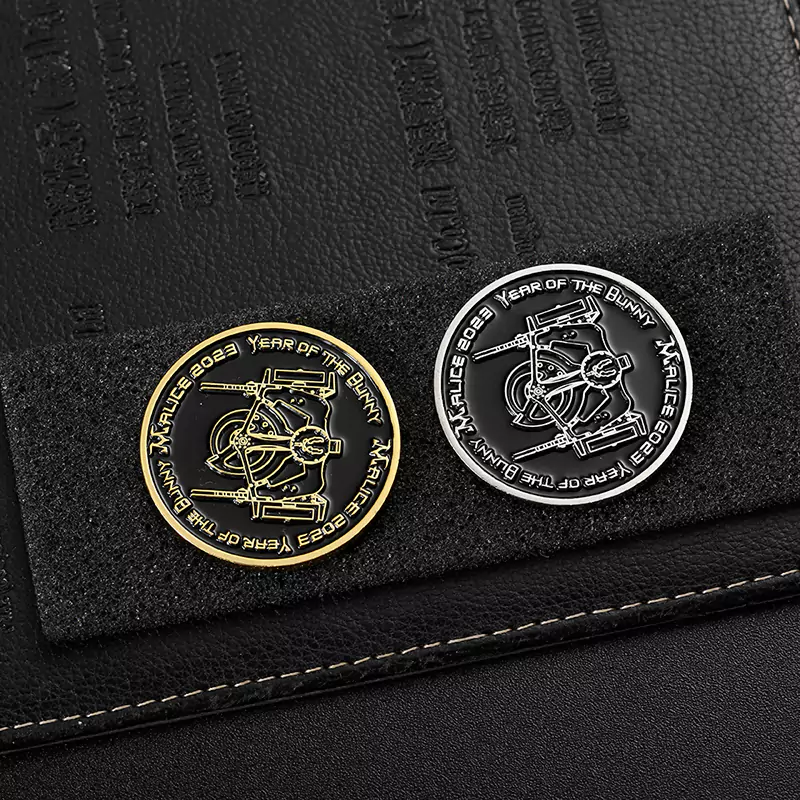
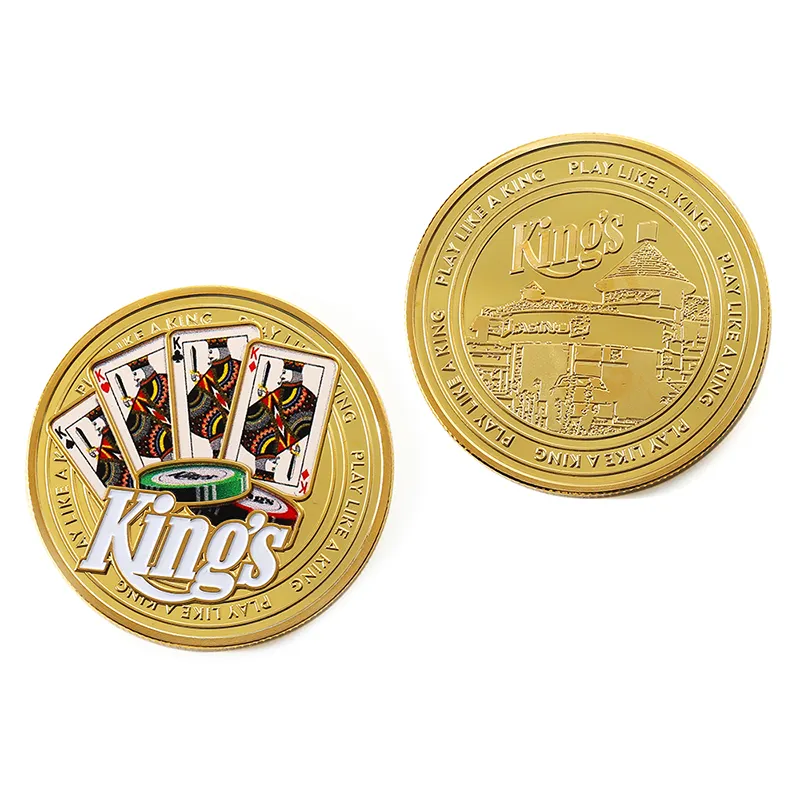
Modern commemorative minting has evolved from mechanical striking into a fusion of precision engineering and sculptural art. High-relief techniques transform coins into miniature sculptures: skin textures, fabric folds, and battlefield smoke rise from the metal surface with astonishing depth and dynamism. In deliberate contrast, mirror-polished fields recede into black-glass perfection, amplifying the brilliance of the raised design. This dramatic juxtaposition is not merely aesthetic—it creates a ritualistic aura of sanctity and rarity, decisively separating commemorative coins from everyday currency.
A Visual Kingdom in a Square Inch: Design, Imagery, and Ideology
Once material and craftsmanship establish the stage, visual design orchestrates meaning. Within the coin’s limited space lies a densely coded visual realm.
The Obverse: The Face of Power:
The obverse typically embodies national sovereignty. Monarchies display the reigning sovereign; republics favor founding figures, coats of arms, or allegorical embodiments such as Liberty. This “face” serves two functions: it reiterates issuing authority and symbolizes continuity, constructing a visual genealogy of dynasties or statehood.
The Reverse: A Canvas of Narrative:
The reverse is where commemoration unfolds. Its imagery is inherently political and cultural. It may freeze a decisive historical moment into a symbolic tableau; immortalize scientists, artists, and writers by subsuming cultural achievement into national glory; or present landmarks, landscapes, and technological feats as icons of identity. These images are not neutral records but curated visual arguments, designed to evoke pride, reverence, nostalgia, or awe.
Edges and Inscriptions: Marginal Authority:
Reeded edges, incuse lettering, and anti-counterfeiting patterns—often overlooked—are integral to sovereign discourse. They function practically as security features and symbolically as assertions of inviolable authority. A finely engraved inscription may anchor the narrative, offering textual resonance to visual storytelling.
Together, material form and visual language create a compelling material-symbolic compound, fusing intrinsic metal value, state credit, and artistic persuasion into an object whose meaning feels both authoritative and deeply desirable.
State-Minted Faith — Commemorative Coins as Narrative Apparatuses
The core social function of commemorative coins lies in their role as state-driven instruments of historical narration and value transmission. Through minting, political power intervenes directly in the construction of collective memory, embedding sanctioned histories, ideologies, and idealized national images into precious metal guaranteed by sovereign credibility.
The Sacralization and Legitimation of Political Events
Major political milestones form the classic subject matter of commemorative coinage.
Self-Coronation of Power:
New nations, constitutions, and reigns often inaugurate themselves through commemorative issues. This act elevates a temporal moment into a foundational myth, embedding it within the nation’s permanent memory infrastructure.
The Eternalization of Victory:
Military triumphs—particularly those framed as destiny-defining—are repeatedly commemorated. Complex, often tragic conflicts are distilled into heroic portraits or triumphant symbols, reinforcing narratives of moral clarity and national glory.
Diplomacy in Metal:
Coins marking treaties, alliances, or state visits function as tangible diplomatic affirmations, transforming abstract agreements into collectible artifacts of international recognition.
Constructing and Displaying Cultural Identity
In peacetime, commemorative coins become tools for cultural narration.
Nationalizing Genius:
By placing scientists, writers, and artists on coins, states symbolically appropriate cultural achievement as national capital. France’s Hugo and Curie, Britain’s Shakespeare and Newton—each becomes a monument of collective brilliance.
Symbolizing Heritage:
Architectural icons, natural wonders, and intangible cultural practices become collectible symbols of land and tradition, granting holders a sense of symbolic ownership over national heritage.
Aligning with Universal Values:
Themes such as environmental protection, space exploration, humanitarianism, and sports allow states to position themselves as progressive and responsible global actors, enhancing soft power.
From Currency to Token: The Mechanics of Symbolic Power
The commemorative coin’s potency stems from its appropriation of monetary trust. While not meant for daily transactions, it inherits currency’s legitimacy and authority.
Its persuasion is subtle rather than overt. Unlike textbooks or monuments, commemorative coins appear as art or investment objects, allowing ideological content to seep in gently, carried by beauty and value.
By translating abstract national narratives into tangible, privately held objects, commemorative coins bring grand history into intimate personal spaces. As Benedict Anderson’s “imagined community” suggests, shared symbols foster collective identity—and commemorative coins provide precisely such shared, treasured material anchors.


Circulating Symbols — Market Life and Private Meaning
Once released into society, commemorative coins embark on a complex second life. No longer purely state instruments, they become cultural commodities and repositories of personal memory, where official intention intersects with market logic and individual emotion.
Collectors: Motivation and Meaning-Making
Collectors animate the social life of commemorative coins.
Aesthetic Collectors admire craftsmanship and sculptural beauty.
Historical Collectors treat coins as primary documents, reconstructing private historical narratives.
Investors analyze mintage, metal prices, grading, and demand, integrating coins into global capital flows.
Emotional Collectors connect coins to personal milestones, identities, or memories.
Each act of collecting personalizes and perpetuates meaning, transforming state-issued symbols into private cosmologies.
The Market: Amplifier and Distorter of Value
The global commemorative coin market is both a discovery mechanism and a distortion field.
Value hinges on mintage size, condition (with third-party grading becoming a universal language), and thematic resonance. Auctions dramatize these forces, where record prices reflect not metal value but the convergence of prestige, sentiment, and speculation.
The market’s “invisible hand” continually negotiates with the state’s visible one, reshaping significance beyond original intent.
Private Relics: Bridging Public History and Individual Life
Perhaps most powerfully, commemorative coins link collective history to personal experience.
Customized medals mark weddings, births, graduations, and retirements, replicating national commemorative logic at the scale of individual life. Inheritance transforms coins into vessels of family memory, allowing descendants to touch lived history. Emotional collecting detaches coins entirely from official narratives, recasting them as intimate talismans of beauty, reverence, or longing.
Conclusion: Sanctuaries in the Palm, Dialogues with Eternity
The commemorative coin—this miniature monument—occupies a pivotal position in humanity’s architecture of memory. It is a triple-twisted cord:
State-minted faith, embedding sanctioned history into society’s body;
Market-driven desire, translating memory into fluctuating value;
Privately guarded time capsules, preserving emotion, lineage, and aesthetic pleasure.
In an age of digital ephemerality and virtual experience, the coin’s tangible weight and enduring texture radiate renewed power. It reminds us that memory requires durable vessels, values need beautiful forms, and identity depends on shared symbols.
Every commemorative coin—whether honoring revolutions, discoveries, artists, or endangered species—is humanity’s attempt to resist entropy and inscribe meaning against time. It is a coded letter from one era to the future, sealed in metal, written in relief, and stamped with belief.
Thus, when we gaze upon a commemorative coin resting in our palm, we are not merely viewing metal or craft. We are confronting a condensed world. Within its sculpted light and shadow reside power and art, collective shouts and private whispers. It is a sanctuary that fits in the hand, a silent yet thunderous epic of civilization—where humanity’s answers to who we are, where we come from, and what we cherish are endlessly retold in metal’s eternal silence.
PRODUCT CATEGORIES












FACTORY DIRECT · SINCE 1996
Made to your design
Pins, medals, coins and keychains from our own factory. Send an idea and get a free design proof.
- ✓ MOQ 50 pcs
- ✓ Free design proof
- ✓ 12–15 days production
Reply within 24 hours · No sign-up