Metal Craft Blog
The Metal Epic: The Legacy and Evolution of Global Challenge Coins
Table of Contents
Throughout the long course of human civilization, metal currency has always played an indispensable role. It has served not only as a medium of exchange, but also as a vessel of historical memory and a tangible expression of cultural spirit. Among all forms of coinage, commemorative coins—distinguished by their thematic focus, exquisite craftsmanship, and limited issuance—have transcended the purely practical function of money to become cultural symbols that cross borders and eras.
From the commemorative coinage of ancient civilizations to the diversified commemorative coin systems of the modern world, these metal discs engraved with the marks of their times connect humanity’s remembrance and reverence for major events, outstanding figures, natural wonders, and cultural beliefs. This article adopts a global perspective to trace the historical development of commemorative coins, analyze their cultural meanings and technological evolution, and explore the shared human values and emotional resonance carried by this distinctive metallic medium.
Origins: Proto-Commemorative Coinage in Ancient Civilizations
The origins of commemorative coins can be traced back to the earliest forms of commemorative minting in ancient civilizations. As early as the 6th century BCE, the Kingdom of Lydia (in present-day western Turkey) produced the world’s first metal coins. Although early coinage was primarily intended for circulation and trade, some coins bearing special symbols or themes already possessed the rudimentary attributes of commemorative coins. These early issues often featured royal portraits, religious deities, or symbols of military victory, serving as important tools for ruling elites to assert authority and record achievements.
In ancient Greek civilization, commemorative coinage reached its first peak of development. Greek city-states widely issued coins featuring emblematic local imagery. A classic example is the Athenian owl coin, with the head of Athena—the city’s patron goddess—on the obverse and an owl on the reverse. This design symbolized both religious belief and civic identity, becoming a lasting cultural emblem of Athens. Beyond civic symbols, ancient Greece also issued coins commemorating military victories and athletic competitions. During the Olympic Games, participating city-states minted coins bearing images of athletes, olive branches, and other related motifs to commemorate this pan-Hellenic event. These coins were often struck in high-quality gold or silver and employed refined relief techniques, giving the designs strong three-dimensionality and artistic appeal, and establishing coinage as an important artistic medium of the time.
Ancient Rome inherited and expanded upon Greek coinage traditions, further broadening the themes of commemorative coins. Roman commemorative issues frequently depicted emperors, members of the imperial family, major political events, and military conquests. For example, coins issued during the reign of Julius Caesar bore his profile on the obverse and symbols of power—such as the eagle and scepter—on the reverse, reinforcing his authoritarian rule. After Rome’s conquest of Egypt, coins were minted featuring Octavian and Cleopatra VII, recording this pivotal historical moment. Roman minting techniques were more advanced than those of Greece, employing improved striking methods that produced clearer and more standardized designs, with larger mintages that helped disseminate imperial ideology and preserve historical narratives.
Beyond the Mediterranean world, ancient civilizations in Persia, India, and elsewhere also issued coins with commemorative significance. Though differing in theme, style, and technique, these coins shared common functions: recording history, asserting authority, and transmitting culture. They laid the groundwork for the development of modern commemorative coins. At this stage, commemorative coinage primarily represented the values of ruling elites, with audiences largely limited to aristocratic and upper social classes, and had yet to exert broad societal influence.
Transformation: The Formation and Development of the Modern Commemorative Coin System
With the rise of capitalism, the formation of nation-states, and the advance of the Industrial Revolution, commemorative coins entered a crucial period of transformation. They gradually evolved from instruments of elite authority into cultural carriers with wide social impact, leading to the establishment of modern commemorative coin systems. During this period, fundamental changes occurred in issuing authorities, themes, production technologies, and target audiences.
The shift in issuing authority marked a defining feature of modern commemorative coinage. As nation-states emerged, sovereign governments became the primary issuers. Commemorative coins no longer served merely to glorify individual rulers, but increasingly reflected national interests and collective sentiment. For example, after Napoleon Bonaparte crowned himself Emperor of the French Empire in 1804, France issued commemorative gold coins depicting his imperial portrait on the obverse and the coronation scene on the reverse, reinforcing the legitimacy of the new empire and fostering national cohesion. In this era, commemorative coins became important instruments for shaping national image and identity.
The diversification of themes was another defining characteristic of modern commemorative coinage. In addition to traditional political and military subjects, themes expanded to include culture, science, sports, and nature. In the cultural realm, European countries issued coins honoring major cultural figures and heritage sites, such as Britain’s Shakespeare commemorative coins and Germany’s Goethe issues. In science and technology, industrial progress inspired coins commemorating major inventions and discoveries, such as the steam engine and the application of electricity, documenting humanity’s technological advancement. In sports, the revival of the modern Olympic Games played a key role in promoting sports-themed commemorative coins. When the first modern Olympics were held in Athens in 1896, Greece issued a set of commemorative silver coins, marking the beginning of modern Olympic coinage. Since then, each host country has treated Olympic commemorative coins as a central cultural project.
Technological innovation driven by the Industrial Revolution provided strong support for commemorative coin development. The application of steam power and electricity transformed minting from manual craftsmanship to mechanized production. Mechanical presses significantly improved efficiency and allowed for more precise, detailed designs, while advances in metal refining ensured greater material purity. For instance, in the mid-19th century, the Royal Mint of the United Kingdom introduced steam-powered presses, greatly enhancing minting precision and detail.
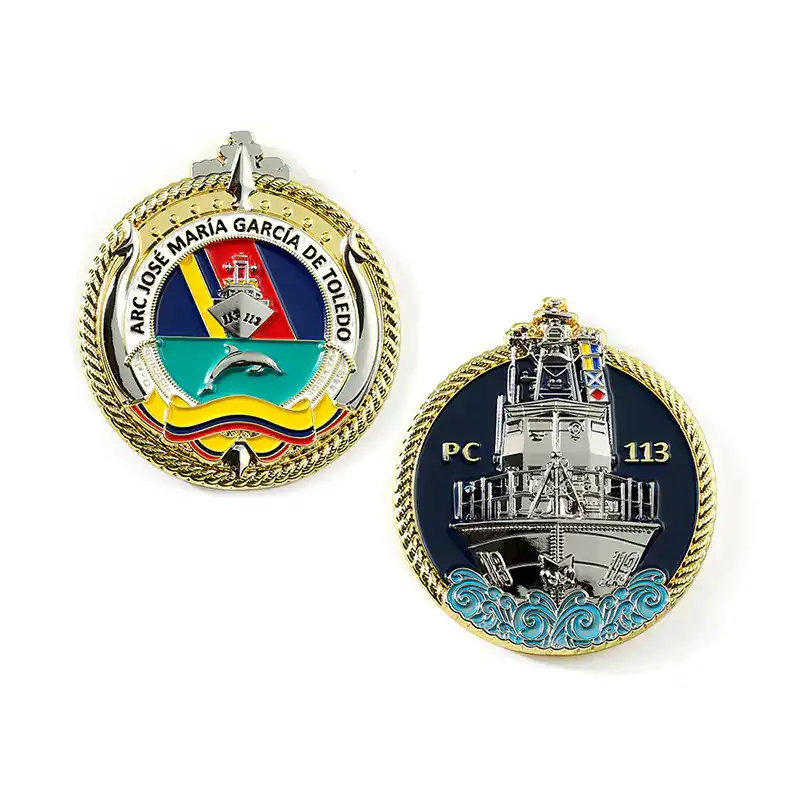
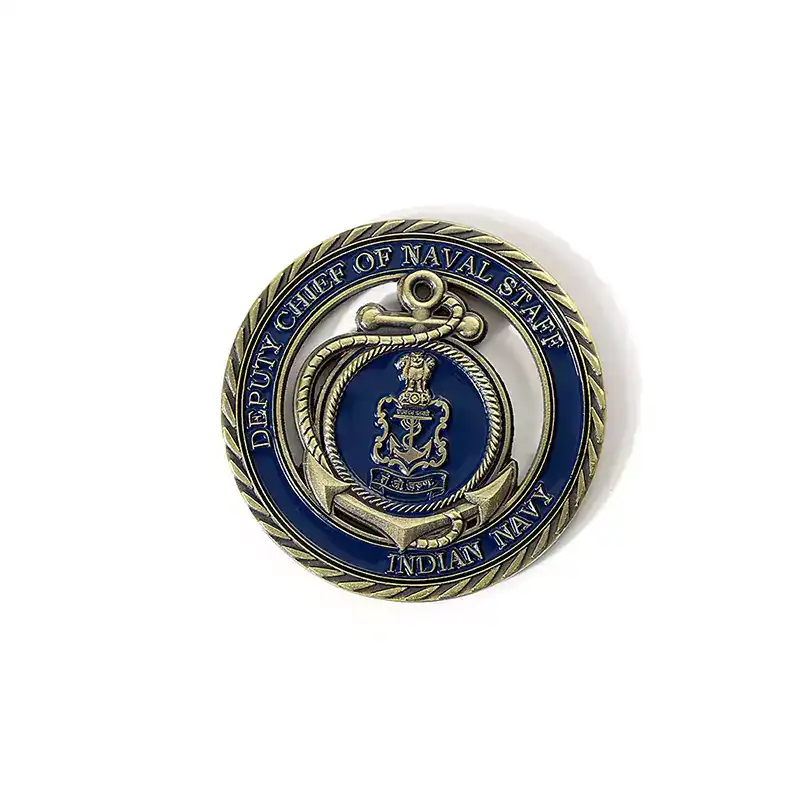
Audience expansion was another key trend. As capitalist economies developed and the middle class grew, cultural consumption increased. Challnge coins gradually entered everyday life rather than remaining exclusive collectibles for elites. Governments distributed coins through banks, post offices, and souvenir shops, making them accessible to the general public. Denominations became more diversified, ranging from high-end precious metal coins for collectors to lower-denomination issues for ordinary citizens. During this period, coin collecting culture emerged, accompanied by collector associations and specialized publications, further promoting the growth of commemorative coinage.
Prosperity: The Diversified Global Landscape of Modern Commemorative Coins
Since the 20th century—especially after World War II—global commemorative coinage has entered a period of prosperity and diversification. In the context of globalization, themes have become richer, craftsmanship more refined, issuance methods more flexible, and international exchange more frequent. Commemorative coins have expanded beyond remembrance and collecting to include investment and cultural communication, becoming an important component of global cultural and economic activity.
Coexistence of Globalized and Personalized Themes
Modern commemorative coin themes reflect both globalization and national individuality. On one hand, countries issue coins addressing global events and shared concerns, such as the Olympic Games, the World Cup, and World Expos. Olympic commemorative coins, in particular, have formed a systematic global tradition since the 1936 Berlin Games. By the time of the Tokyo 2020 Olympics, more than one hundred countries and regions had issued Olympic-themed coins. Similarly, global issues such as environmental protection, climate change, and pandemic response have inspired commemorative coins worldwide, including initiatives supported by the United Nations Environment Programme.
On the other hand, countries increasingly emphasize their own cultural and historical uniqueness. The United States’ America the Beautiful series highlights national parks and landscapes; Canada’s Indigenous Culture series features native totems and myths; Australia’s kangaroo and koala coins showcase endemic wildlife. These personalized themes not only satisfy domestic collectors but also serve as powerful tools of cultural diplomacy.
Innovation and Breakthroughs in Craftsmanship
Rapid technological advancement has driven continuous innovation in commemorative coin production. Traditional minting techniques combined with modern technology have significantly enhanced artistic expression, giving rise to color printing, holographic security, micro-engraving, and shaped coinage.
Color printing has become widely used, producing vivid and visually striking designs. Swiss Alpine landscape coins and Japan’s cherry blossom series are notable examples. Holographic technology enhances both security and visual impact, as seen in British Queen’s Jubilee coins and Canada’s Northern Lights series. Micro-engraving allows intricate details visible only under magnification, while shaped coins—such as Canada’s maple leaf coins or Australia’s Sydney Opera House issues—expand artistic possibilities beyond traditional round forms.
Market-Oriented and Diversified Issuance Models
Modern commemorative coin issuance has become increasingly market-driven. In addition to traditional distribution channels, online platforms now dominate sales. National mints operate official websites, collaborate with e-commerce platforms, and promote releases through social media, attracting younger collectors.
Issuance strategies include limited editions, premium pricing, and boxed sets. Limited mintages enhance rarity and collectability; premium pricing reflects material and artistic value; and sets—such as Olympic series or annual collections—offer convenience and added value for collectors.
Growing International Exchange and Cooperation
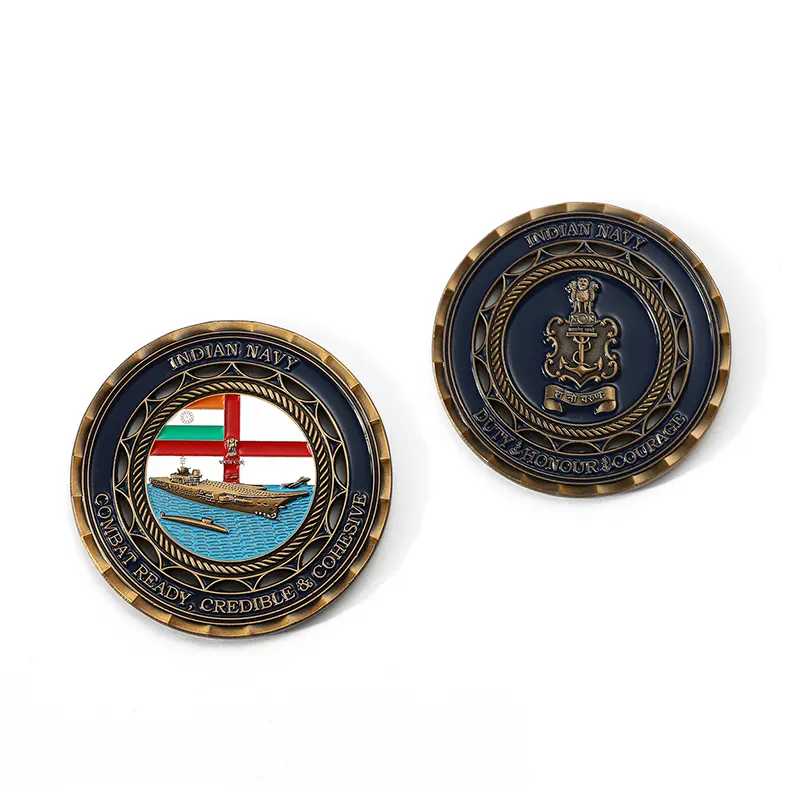
Globalization has fostered extensive international collaboration among mints. Technical exchanges, joint research, and international conferences facilitate shared innovation. Jointly issued commemorative coins symbolize diplomatic friendship and shared heritage, such as Franco-German reconciliation coins or Russia–India diplomatic anniversary issues. These collaborations strengthen cultural exchange and mutual understanding.
Value: Cultural Meaning and Social Significance
Commemorative coins possess not only economic value but also deep cultural and social significance.
Witnesses to History
Each commemorative coin encapsulates a historical moment, from ancient victories to modern global events. Coins commemorating the September 11 attacks in the United States or the abolition of apartheid in South Africa serve as enduring historical testimonies and valuable primary sources for future generations.
Carriers of Culture
Commemorative coins embody national traditions, values, and aesthetics. Italy’s Renaissance masters series and Egypt’s ancient civilization coins preserve and transmit cultural heritage. International exchange further promotes intercultural understanding.
Vessels of Emotion
Coins carry remembrance, respect, hope, and personal sentiment. They commemorate war sacrifices, honor disaster victims and rescuers, and mark personal milestones such as births, friendships, and love, becoming deeply meaningful emotional tokens.
Participants in the Economy
Precious metal commemorative coins function as investment assets, influenced by metal prices, mintage, and artistic merit. Their production and trade stimulate related industries and contribute to international trade while promoting cultural export.

Outlook: Innovation in the Digital Age
In the digital era, technologies such as blockchain, virtual reality (VR), and augmented reality (AR) present new opportunities and challenges. Blockchain enables secure authentication and full lifecycle traceability, while digital commemorative coins emerge as new collectible forms. VR and AR enhance storytelling and interaction, allowing collectors to experience historical contexts and virtual exhibitions.
At the same time, digitalization poses challenges, including market balance between physical and digital coins, and issues of security and intellectual property. Addressing these challenges requires collective industry effort.
Conclusion
From the proto-commemorative coinage of ancient civilizations to the modern global system, the evolution of commemorative coins mirrors the trajectory of human civilization itself. These small metal discs are witnesses to history, carriers of culture, repositories of emotion, and participants in economic life.
In an era of globalization and digital transformation, commemorative coins will continue to innovate while preserving tradition, transmitting shared human values, and contributing to cultural exchange and economic development. For collectors, each commemorative coin is not merely an object, but a fragment of history, a symbol of identity, and a vessel of memory—worthy of contemplation and preservation.
PRODUCT CATEGORIES












FACTORY DIRECT · SINCE 1996
Made to your design
Pins, medals, coins and keychains from our own factory. Send an idea and get a free design proof.
- ✓ MOQ 50 pcs
- ✓ Free design proof
- ✓ 12–15 days production
Reply within 24 hours · No sign-up