Metal Craft Blog
Pin backs are the unsung heroes that secure your cherished pins, preventing loss and ensuring they display perfectly on any garment or accessory. These small but mighty components come in a surprising variety, each designed to meet specific needs for security, comfort, and aesthetic, making their selection a critical decision for collectors and custom pin creators alike. Understanding the nuances of different pin back types is essential for anyone looking to protect their investment and showcase their unique style, whether you’re a casual collector or commissioning a batch of custom pins from a manufacturer like Hesank.
What Makes Pin Backs More Than Just a Fastener?
While often overlooked, the humble pin back is far more than a simple fastening mechanism; it is the foundation of a pin’s security and presentation. Imagine a highly detailed, custom-designed enamel pin, perhaps a complex logo or a commemorative piece, falling off your jacket during a busy event simply because of an inadequate backing. The value of a pin, whether sentimental or monetary, is intrinsically linked to its ability to stay securely in place. A well-chosen pin back ensures that your pin remains upright, doesn’t snag on clothing, and resists accidental detachment, providing peace of mind and preserving the integrity of your collection. For businesses creating branded merchandise, the right pin back reinforces quality and attention to detail, reflecting positively on their image.
What Are the Most Common Types of Pin Backs?
The world of pin backs offers a diverse array of options, each with distinct advantages and ideal applications. Understanding these differences is key to making an informed choice:
- Butterfly Clutch (Military Clutch): This is perhaps the most ubiquitous pin back, characterized by its two spring-loaded wings that pinch the pin post. Made typically from brass or steel, they are affordable and easy to use, offering moderate security. They are excellent for everyday wear on lighter fabrics and for pins that aren’t subjected to rigorous movement. However, they can sometimes loosen over time or with repeated use.
- Rubber Clutch (PVC Clutch): Gaining significant popularity, rubber clutches are soft, pliable, and offer a snug fit. They come in various colors, making them aesthetically versatile, and are particularly comfortable against the skin, making them ideal for pins worn directly on clothing or bags. Their grip is generally stronger than a standard butterfly clutch, and they are less prone to snagging. For those interested in enhanced security and comfort, exploring magnet backs for pins offers an alternative that avoids piercing fabric altogether.
- Deluxe Locking Clutch: Often made from nickel-plated brass, these backs feature a spring-loaded mechanism that locks onto the pin post, requiring a small squeeze to release. They provide superior security compared to butterfly or rubber clutches, making them the preferred choice for valuable pins, heavy pins, or pins worn on items that experience a lot of movement, such as backpacks or motorcycle jackets. While more expensive, their reliability is unmatched for critical applications.
- Safety Pin Back: Resembling a miniature safety pin, this backing is sewn or soldered onto the back of the pin. It’s incredibly secure and distributes the pin’s weight over a wider area, reducing stress on the fabric. These are commonly found on larger badges, brooches, or custom pins designed for uniforms where maximum stability is required.
- Screw Back: Offering the highest level of permanent security, screw backs feature a threaded post that passes through the fabric and is secured with a nut on the other side. This method is often reserved for very heavy, large, or extremely valuable pins that are not intended for frequent removal, such as those on display cases or permanent fixtures.
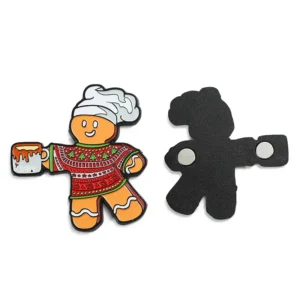
- Magnetic Back: Comprising two strong magnets, one attached to the pin and the other placed behind the fabric, magnetic backs offer a non-damaging attachment method. They are perfect for delicate fabrics, temporary wear, or for individuals who prefer not to pierce their clothing. While convenient, their holding power can vary, and they are generally not recommended for very heavy pins or high-activity situations.
How Do You Choose the Right Pin Back for Your Needs?
Selecting the optimal pin back involves considering several factors specific to your pin and its intended use. A lightweight, 1-inch custom Lapel pin designed for occasional wear on a blazer will require a different backing than a substantial, 2.5-inch custom Die Struck Pin intended for daily display on a denim jacket.
First, assess the weight and size of your pin. Heavier and larger pins demand more robust security. A single butterfly clutch might suffice for a small, lightweight pin, but a larger, more ornate piece, perhaps weighing over 20 grams, would benefit significantly from two posts with deluxe locking clutches or even a safety pin back to prevent it from rotating or falling off. Second, consider the material and thickness of the fabric where the pin will be worn. Delicate silks or thin blouses might be damaged by a standard pin post, making magnetic backs a gentler alternative. Thicker materials like denim or canvas can easily accommodate longer posts and more secure locking mechanisms.
Third, think about the activity level while wearing the pin. If the pin is for a static display, a standard rubber clutch is often sufficient. However, if it’s for a backpack that will be jostled daily, or a uniform worn during active duty, a deluxe locking clutch is a non-negotiable upgrade to prevent loss. Finally, factor in cost and aesthetics. While deluxe locking clutches offer superior security, they are more expensive. Rubber clutches come in various colors, allowing for a subtle match to the pin’s design or a vibrant contrast. For custom orders, Hesank can guide you through these choices, ensuring your design is paired with the perfect functional backing.
How Can You Secure and Protect Your Pins Effectively?
 |  |
Beyond choosing the right pin back, several practices can significantly enhance the security and longevity of your pins. Always ensure the pin post is fully inserted into the clutch mechanism until you feel or hear a click, especially with locking backs. For pins with two posts, ensure both are securely fastened to prevent rotation and provide balanced support. When attaching pins to bags or items that experience frequent movement, consider using two locking clutches per pin, even if it only has one post, by adding a second post if possible or opting for a safety pin style back.
To prevent scratches and damage, avoid overcrowding pins on a single surface. When storing pins, especially those with sharp posts, use display boards made of cork or foam, or individual pin cases that keep them separated. For valuable or sentimental pins, consider placing a small piece of felt or thin foam behind the pin on the fabric to act as a buffer against friction and reduce the chance of the pin post bending due under pressure.
What Are Common Pin Back Issues and How Can You Fix Them?
Even with the best care, pin backs can encounter issues. A common problem is a loose clutch, where the pin easily detaches. For butterfly clutches, gently squeezing the two wings closer together with pliers can often restore their grip. For rubber clutches, if they become too stretched or brittle, the best solution is replacement, as their material degrades over time. Another issue is a bent pin post. If the bend is minor, you can often straighten it carefully with needle-nose pliers, applying gentle, consistent pressure. However, if the post is severely bent or broken, it may require professional repair or replacement of the entire pin, depending on its construction.
Lost pin backs are also a frequent occurrence. It’s always a good idea to have a small stash of spare pin backs, especially common types like rubber or butterfly clutches, on hand. Many collectors purchase multi-packs of deluxe locking clutches specifically to replace less secure standard backs on their favorite pins. If a pin post breaks off entirely, and the pin itself is valuable, a jeweler or a specialized metal crafts repair service might be able to re-solder a new post, though this can be costly.
How Can You Maintain Your Pin Backs for Lasting Use?
Proper maintenance ensures your pin backs remain functional and extend the life of your pins. Regularly inspect your pin backs for any signs of wear, such as corrosion, bent components, or weakened springs. For metal clutches, a quick wipe with a dry, soft cloth can remove dust and grime. If there’s minor tarnish, a cotton swab with a tiny amount of metal polish (used sparingly and carefully to avoid contact with the pin itself) can restore shine. Avoid harsh chemicals or abrasive cleaners, as these can damage both the pin back and the pin’s finish.
Store pins in a dry environment to prevent rust and corrosion, especially for metal components. If you live in a humid climate, consider using silica gel packets in your pin display cases. For pins that are frequently swapped between items, consider having multiple sets of pin backs ready, or investing in more durable locking mechanisms to withstand repeated attachment and detachment cycles. Periodically, test the grip of your clutches by gently pulling on the pin after it’s attached; if it feels loose, it’s time for an adjustment or replacement.
Why Are Pin Backs the Unsung Heroes of Your Collection?
The true value of a pin back lies not in its individual beauty, but in its unwavering dedication to safeguarding your cherished pins. From the simplest butterfly clutch to the most robust screw back, each mechanism matters in preserving the artistry, sentiment, and investment represented by your collection. By understanding their types, choosing wisely, and maintaining them diligently, you empower your pins to tell their stories securely and stylishly for years to come. Whether you’re designing a new batch of custom pins or simply securing a favorite piece, remember that the right pin back is the silent guardian of your wearable art. For unique designs, you might even want to explore Cut Pin options with specialized backings to match their intricate shapes.
FAQ
What is the most secure type of pin back?
The deluxe locking clutch is widely considered the most secure pin back for general use, as it features a spring-loaded mechanism that locks firmly onto the pin post, preventing accidental detachment. For permanent applications or very heavy items, a screw back offers even greater security.
Can I replace a lost pin back?
Yes, pin backs are easily replaceable. Most common types like butterfly clutches, rubber clutches, and deluxe locking clutches can be purchased in bulk from various retailers, allowing you to quickly secure any pin that has lost its original backing.
Are magnetic pin backs safe for all fabrics?
Magnetic pin backs are generally safe for most fabrics, especially delicate ones, as they do not require piercing the material. However, they may not be suitable for very heavy pins or highly active wear, as strong movements can sometimes dislodge them. They are also not recommended for individuals with pacemakers or other medical implants.
How many pin posts should a large pin have?
For pins larger than 1.5 to 2 inches or those with significant weight, it is highly recommended to have two pin posts. This configuration provides superior stability, prevents the pin from rotating, and distributes the weight more evenly, reducing stress on the fabric and the individual posts.
Related reading: Are Lapel Pins