Metal Craft Blog
No, modern Olympic gold medals are not solid gold; they are primarily composed of silver, plated with a minimum of six grams of pure gold. The iconic gleam of an Olympic gold medal, a symbol recognized globally, often leads to the assumption of its solid precious metal content, yet the reality is a carefully engineered composition designed to balance tradition, cost, and practicality. This intricate design ensures the medal remains a prestigious award while managing the immense scale of the Olympic Games.
The Enduring Allure of Olympic Gold: A Lingering Question
For athletes, the pursuit of Olympic gold represents the pinnacle of dedication and athletic prowess. The image of a champion biting their medal, or proudly displaying it around their neck, is etched into our collective consciousness. This powerful visual, however, often sparks a practical question: how much of that medal is actually gold? The answer reveals a fascinating blend of historical tradition, economic realities, and the unwavering power of symbolism that Hesank understands deeply in crafting custom awards.
A Glimpse into History: When Olympic Medals Were Solid Gold
While today’s gold medals are not solid, there was a time when they truly were. The 1904 St. Louis Olympics marked the first time gold, silver, and bronze medals were awarded, and the gold medals were indeed solid gold. This tradition continued through the 1908 London Games and the 1912 Stockholm Games. For example, the 1912 gold medals weighed approximately 24 grams and were made entirely of 23-karat gold. Imagine the cost of producing hundreds of such medals for a modern Olympic event, where the sheer number of disciplines and medalists has expanded dramatically since the early 20th century. This historical precedent sets a benchmark for the perceived value, even as the material composition evolved.
What Are Gold Medals Really Made Of Today? Unpacking Their Composition
A modern Olympic gold medal is a marvel of metallurgical design, adhering to strict standards set by the International Olympic Committee (IOC). The core of the medal is made from 92.5% pure silver, also known as sterling silver. This substantial silver base provides the necessary weight and structure. Over this silver core, a precise layer of 24-karat (99.9% pure) gold is electroplated. The IOC mandates a minimum of six grams of this pure gold for each medal. While the exact weight can vary slightly between Games, a typical gold medal, such as those from the recent Tokyo 2020 (held in 2021) or Paris 2024, often weighs between 500 and 550 grams. This combination ensures a significant feel and appearance while managing the use of the most precious metal.
The Role of Silver and Gold Plating in Modern Olympic Medals
The process of creating an Olympic gold medal involves sophisticated manufacturing techniques. After the silver core is cast and polished, it undergoes an electroplating process. This involves submerging the silver medal in a solution containing gold ions and passing an electric current through it. The current causes the gold ions to adhere to the silver surface, forming a uniform, thin layer of pure gold. This method allows for precise control over the thickness and purity of the gold coating. Silver is chosen as the base metal not only for its malleability and attractive appearance but also because it is a precious metal itself, lending inherent value and prestige to the award. The gold plating, though thin, is durable enough to withstand handling and maintain its brilliant luster, symbolizing the ultimate achievement in sport.
Why Aren’t Olympic Gold Medals Solid Gold Anymore? Practical Reasons
The shift from solid gold medals to gold-plated silver medals occurred after the 1912 Stockholm Games, primarily due to economic pressures and the escalating cost of gold. World War I played a significant role in this change, as nations prioritized resources differently. If the 500-gram gold medals awarded today were solid 24-karat gold, each would be worth approximately $35,000 to $40,000 at current market prices, depending on the fluctuating price of gold. Considering that hundreds of gold medals are awarded at each Olympic Games—for instance, 339 events were held at the Tokyo 2020 Games—the total cost would be astronomical, easily exceeding tens of millions of dollars just for the gold medals alone. This financial burden, coupled with the desire for sustainability and responsible resource management, made the transition to gold plating a practical and necessary decision. The symbolic value, after all, remains paramount, regardless of the exact metallic composition.
The True Value: Monetary Worth vs. Sentimental Significance of a Gold Medal
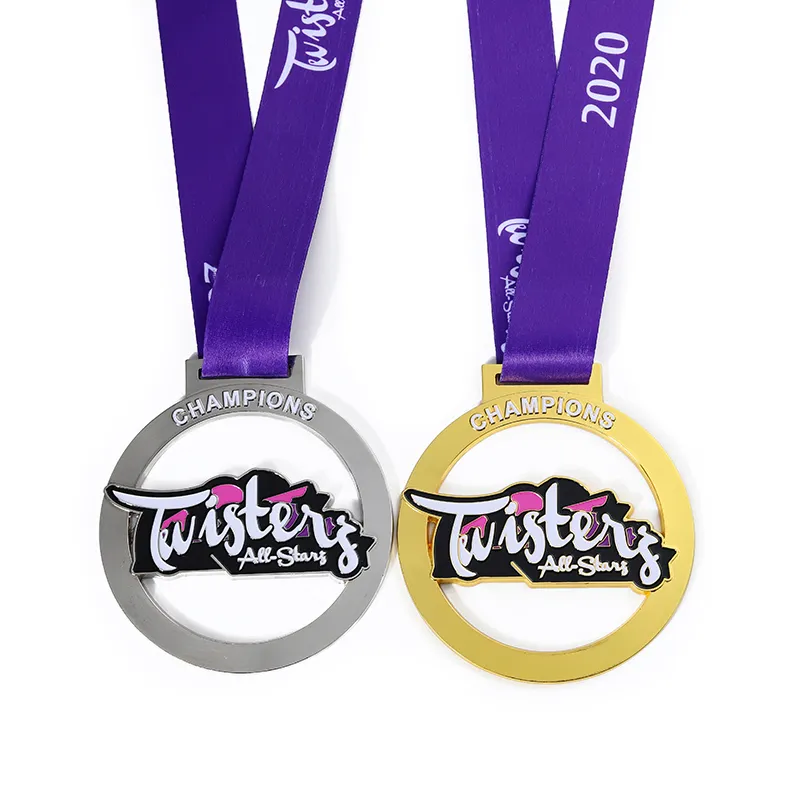 |  |
While the melt value of a modern Olympic gold medal is significantly less than its solid gold predecessors, it is far from negligible. With approximately 6 grams of 24-karat gold and around 494 grams of sterling silver, a current gold medal might have a melt value of roughly $800 to $1,000, depending on daily market fluctuations for gold and silver. However, this monetary value pales in comparison to its sentimental and historical significance. An Olympic gold medal represents years of sacrifice, discipline, and triumph. For athletes, it is the culmination of a lifelong dream. For collectors, a medal from a notable athlete can fetch hundreds of thousands of dollars at auction, far exceeding its material worth. For instance, Jesse Owens’ 1936 Berlin Olympics gold medal sold for over $1.4 million in 2013. This stark difference underscores that the true value lies in the story, the achievement, and the indelible mark it leaves on history. Hesank understands this intrinsic value when designing Competition Medals for various events, ensuring they embody the spirit of achievement.
Beyond Gold: The Composition of Olympic Silver and Bronze Medals
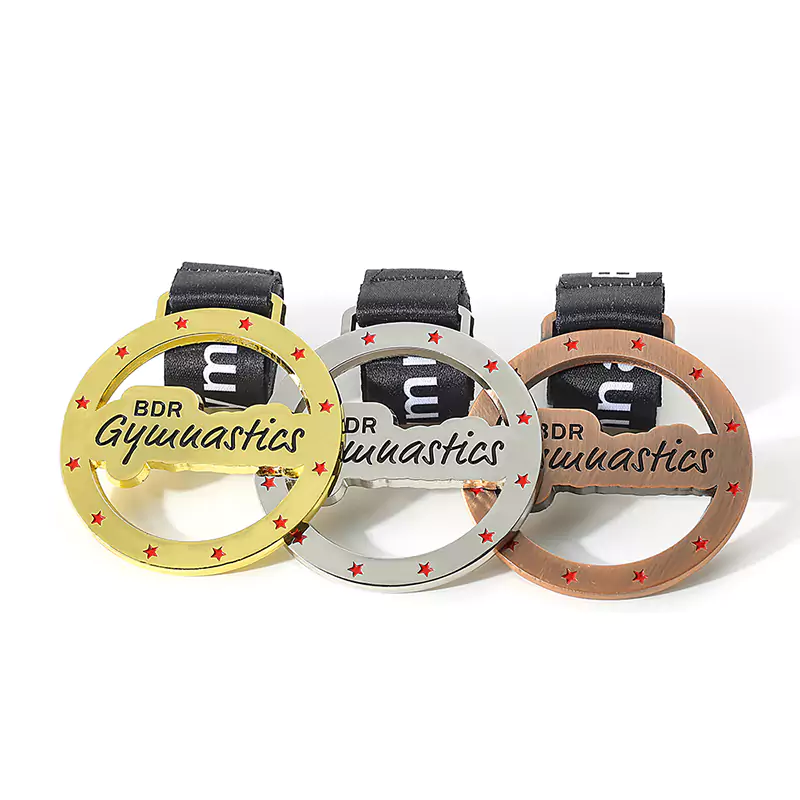
The Olympic medal set extends beyond gold, with silver and bronze medals also holding immense prestige. Silver medals are typically made from 92.5% pure silver, identical to the core of the gold medals. They often weigh similarly, around 500-550 grams, making them substantial awards in their own right. Bronze medals, on the other hand, are composed primarily of copper, often alloyed with tin or zinc to achieve specific properties like hardness and color. While the exact ratios can vary, a common composition might be 95% copper and 5% zinc. These medals, though less valuable in terms of raw material cost, are equally cherished by athletes as symbols of their extraordinary accomplishments. Whether it’s a gold, silver, or bronze, each medal is a sign of human potential, much like a custom Gymnastics Medal celebrates specific athletic feats.
Conclusion: The Unwavering Symbolism of Olympic Achievement
The question of whether gold medals are real gold ultimately leads to a deeper appreciation of their true essence. While not solid gold, their composition is carefully chosen to represent excellence without incurring prohibitive costs. The six grams of pure gold plating, combined with a substantial silver core, ensures a medal that is both precious and practical. The enduring allure of Olympic gold lies not in its melt value, but in the profound human stories it represents—the years of training, the moments of triumph, and the spirit of global unity. These medals, crafted with precision and imbued with meaning, remain the ultimate symbol of athletic achievement, inspiring generations to strive for greatness.
FAQ
Are all Olympic medals the same size and weight?
No, the size and weight of Olympic medals can vary significantly from one Games to another. While the IOC sets minimum standards for composition (e.g., minimum 6g of pure gold for gold medals, 92.5% silver for silver medals), the host city’s organizing committee designs the specific dimensions and aesthetic, often incorporating local cultural elements. For example, the Tokyo 2020 medals weighed around 556 grams, while the Paris 2024 medals are slightly heavier at 529 grams and feature a unique hexagonal design incorporating a piece of the Eiffel Tower.
Can Olympic medals be sold?
Yes, Olympic medals can be sold. While most athletes cherish their medals, some choose to sell them for various reasons, including financial need or to fund new ventures. The market for Olympic medals is robust, especially for those belonging to famous athletes or from historically significant Games. Prices can range from a few thousand dollars for lesser-known medals to over a million dollars for iconic pieces, far exceeding their material melt value.
What is the purity of the gold on an Olympic gold medal?
The gold plating on an Olympic gold medal is 24-karat, meaning it is 99.9% pure gold. This high purity ensures the iconic brilliant yellow color and luster associated with the most precious metal. The underlying silver core is typically 92.5% pure silver, also known as sterling silver.
Who manufactures Olympic medals?
The manufacturing of Olympic medals is typically undertaken by a mint or specialized metal crafts company chosen by the host country’s organizing committee. For instance, the Royal Mint produced the medals for the London 2012 Games, while Monnaie de Paris (the French Mint) is crafting the medals for Paris 2024. These manufacturers are selected for their expertise in metallurgy, design, and ability to produce a large quantity of high-quality, intricate awards that meet the IOC’s stringent standards, similar to the precision Hesank applies to custom metal crafts.