










定制工艺品博客
Mastering challenge coin rules primarily involves understanding the ‘coin check’ tradition, coupled with respectful etiquette for presentation, receipt, and display. These small, custom-minted tokens carry significant weight, representing unit pride, camaraderie, and recognition across military, law enforcement, and even corporate sectors. Navigating their unspoken protocols ensures you honor the tradition and the individuals who carry them, solidifying bonds and respect within your organization.
From their origins in wartime to their modern role as symbols of achievement, 挑战硬币 embody a rich history. Understanding how to properly engage with these artifacts is not just about avoiding a penalty; it’s about participating in a meaningful cultural exchange that reinforces shared values and experiences. Hesank, as a dedicated custom metal crafts manufacturer, understands the intricate details that make each coin special, from its design to the traditions it represents.
Introduction to Challenge Coins: History and Purpose
The tradition of challenge coins dates back to World War I, though its exact origins are debated. One popular account tells of an American pilot shot down over Germany, who used a custom-made bronze medallion, given to him by his unit, to prove his identity and avoid execution by French villagers. This small act of recognition saved his life, cementing the coin’s role as a symbol of belonging and trust. Over the decades, this practice evolved, particularly within the U.S. military, where units began commissioning their own unique coins to foster esprit de corps and acknowledge service.
Beyond their historical roots, challenge coins serve several key purposes today. They are tangible symbols of membership, often given to individuals upon joining a unit or organization. They act as awards for outstanding achievement, marking significant milestones or acts of bravery. Also, they are powerful tools for building morale and camaraderie, creating a shared identity among members. A Challenge Coins (History & Meaning are more than just metal; they are miniature stories, encapsulating shared experiences and achievements.
The Core Challenge Coin Rules: Understanding the “Coin Check”
The most widely recognized and often-enforced challenge coin rule is the “coin check.” This tradition dictates that a coin holder can initiate a challenge by slamming their coin on a table or simply holding it up and announcing “coin check!” or “coin on the table!” Every individual present who possesses a challenge coin from the same organization or event must then produce their own coin within a specified timeframe, usually immediately.
Failure to produce a coin typically results in a penalty, most commonly buying a round of drinks for the challenger and everyone else who successfully presented their coin. Conversely, if the challenger cannot produce their coin, they are responsible for buying the round. This lighthearted yet firm tradition reinforces readiness, unit pride, and a sense of shared responsibility. For instance, in a military setting, a sergeant might initiate a coin check during an informal gathering. If a junior officer, despite having their unit’s coin, fumbles to find it, they might still be on the hook for a round, emphasizing the importance of always being prepared. The rules for 军队挑战硬币 often include these specific nuances.
Beyond the Challenge: Etiquette for Presenting and Receiving Coins
While the coin check is the most public rule, the etiquette surrounding the presentation and receipt of a challenge coin is equally important and often more solemn. When presenting a coin, it should be done with a firm handshake, passing the coin from your palm to the recipient’s palm. Maintain eye contact and offer a brief, sincere statement acknowledging their achievement or contribution. This direct, personal exchange elevates the coin from a mere token to a meaningful award.
Receiving a coin also carries specific protocols. Accept the coin with your right hand, shaking the presenter’s hand firmly while the coin is passed. Acknowledge the gesture with a verbal “Thank you, sir/ma’am” or similar respectful phrase. Never simply grab a coin or place it directly into a pocket without acknowledging the giver. The act of receiving is as much about respect for the giver as it is appreciation for the coin itself. For example, a police chief might present a custom challenge coin to an officer for exceptional service during a community event. The officer’s respectful acceptance reinforces the gravity of the recognition.
Types of Challenge Coins and Their Unique Protocols
Not all challenge coins are created equal, and their specific protocols can vary based on their origin and purpose. Military challenge coins, particularly those from elite units or special operations forces, often carry the most stringent coin check rules and a deep sense of tradition. A 30th anniversary 307th US challenge coin, for example, would be held with immense pride and its holder would be expected to produce it instantly.
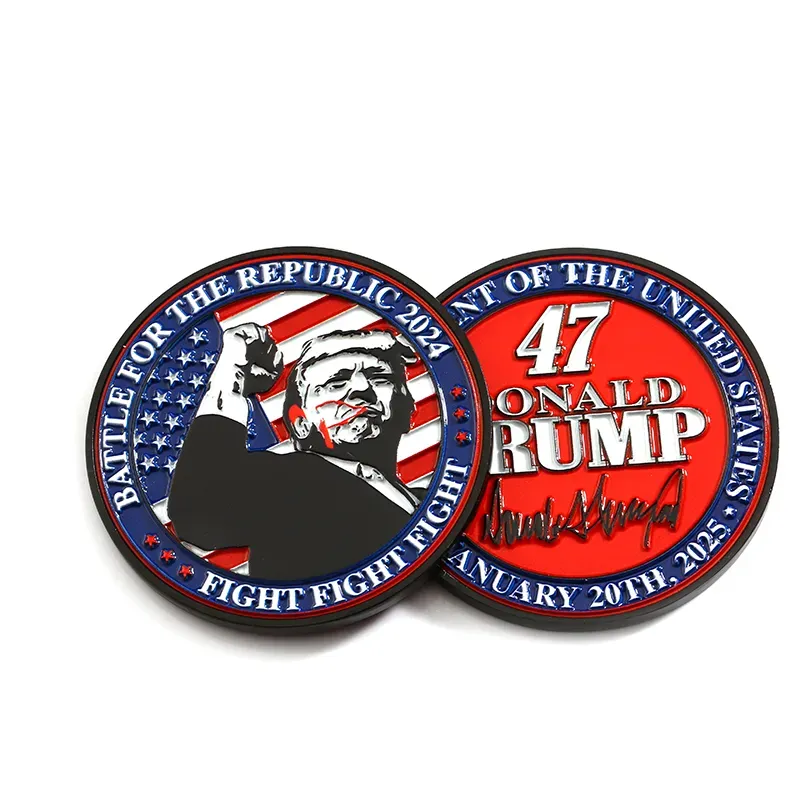
Corporate challenge coins, while growing in popularity, generally have more relaxed rules. They might be used for team building, sales achievements, or project completion. While a coin check could occur, the penalty might be a coffee or a small treat rather than a round of alcoholic beverages. Presidential challenge coins, given by the President of the United States or a high-ranking official, are highly coveted and typically not subject to coin checks. These are often displayed as prestigious keepsakes, symbolizing a direct connection to the nation’s highest office. Understanding these subtle distinctions helps navigate the diverse world of Challenge Coins.
Displaying Your Collection: Custom Challenge Coin Holders and Ideas
 |  |
Once acquired, a challenge coin becomes a personal artifact, often holding significant sentimental value. Proper display is essential to honor its meaning and preserve its condition. Simply tossing coins into a drawer diminishes their impact. Instead, consider a custom challenge coin display solution.
Options for a custom challenge coin holder range widely:
- Wooden Display Racks: These are classic, often tiered, and can hold dozens of coins. They are ideal for a growing collection and provide a professional, traditional aesthetic for an office desk or bookshelf.
- Acrylic Cases: Offering a clear, modern look, acrylic cases protect coins from dust and damage while allowing full visibility. Some are designed as individual stands, while others are larger, multi-coin boxes.
- Shadow Boxes: For coins with accompanying memorabilia like patches, photos, or ribbons, a shadow box creates a comprehensive narrative display. This is particularly popular for military coins, allowing for a personalized tribute to service.
- Wall-Mounted Displays: These can be elaborate wooden plaques or simple magnetic strips, showcasing a collection prominently in a home or office.
Choosing the right display depends on the size of your collection, the significance of the coins, and your personal aesthetic. A well-designed custom challenge coin display not only protects your coins but also serves as a conversation starter, allowing you to share the stories behind each piece.
Common Misconceptions and FAQs About Challenge Coin Rules
Despite their widespread presence, several misconceptions persist regarding challenge coin rules:
One common misunderstanding is that all challenge coins carry the same strict coin check rules. As discussed, corporate or commemorative coins often have more relaxed protocols than military ones. Another myth is that a coin must be carried at all times. While encouraged for coin checks, it’s not a mandatory rule for all coins or situations. Many choose to display their most prized coins rather than carry them daily.
Some people believe that only military personnel can own or exchange challenge coins. This is incorrect; law enforcement, fire departments, corporate entities, and even hobby groups now commission and exchange custom challenge coins. The core idea of recognition and camaraderie transcends specific sectors.
The Role of a Challenge Coin Maker in Upholding Tradition
The integrity of challenge coin traditions relies heavily on the quality and authenticity of the coins themselves. A reputable challenge coin maker plays a critical role in upholding this legacy. From precise die-casting to intricate enamel work, the craftsmanship ensures that each coin is a durable, meaningful symbol.
Hesank, as an experienced custom metal crafts manufacturer, understands the importance of detail in creating military challenge coins custom to specific unit requirements or corporate branding. We work closely with clients to translate their vision into a tangible coin, ensuring the design elements, weight, and finish accurately reflect the intended message and tradition. Whether it’s a presidential challenge coin replica or a unique design for a new corporate initiative, the quality of the coin directly impacts its perceived value and the respect it commands within its specific context.
Conclusion: Preserving the Legacy of Challenge Coins
The enduring appeal of challenge coins lies in their ability to connect individuals through shared experiences and mutual respect. By understanding and honoring the established challenge coin rules, from the spirited coin check to the solemn act of presentation, we contribute to the preservation of a rich tradition. These small metal discs are powerful conduits for storytelling, recognition, and fostering a deep sense of belonging. As new generations discover their significance, the legacy of challenge coins continues to thrive, evolving while maintaining its core values of honor and camaraderie.
常见问题
Can I buy a challenge coin if I haven’t earned one?
Generally, it is considered poor form to purchase a challenge coin that signifies membership in a unit or achievement you have not personally earned. While many generic or commemorative coins are available for purchase, those representing specific military units, law enforcement agencies, or special achievements are typically meant to be received as a gift or award. Respecting this distinction honors the individuals who genuinely earned them.
What should I do if I lose my challenge coin?
Losing a challenge coin, especially one with significant meaning, can be disappointing. There’s no formal penalty for losing a coin, but many consider it a personal responsibility to keep track of such an important item. Some individuals might seek to replace it if possible, particularly if it’s a unit coin. Others view it as a reminder to be more careful with their possessions.
Are there different rules for different branches of the military?
While the core concept of the coin check and presentation etiquette is consistent across the U.S. military, specific nuances and the strictness of enforcement can vary slightly between branches (Army, Navy, Air Force, Marines, Coast Guard) and even between individual units. It’s always wise to observe local customs and ask senior personnel if you are unsure about specific protocols within a new unit or command.
Is it acceptable to customize my challenge coin?
If you are commissioning a custom challenge coin for your own unit, team, or event, customization is the entire point! You should work with a reputable challenge coin maker like Hesank to design a coin that perfectly represents your organization’s identity, values, and purpose. However, if you receive a coin, altering it (e.g., engraving, adding elements) is generally discouraged as it can diminish its original intent and value as a gift from the presenter.