Blog zum Thema Metallkunst
A firefighter’s badge carries a lot of meaning in a small piece of metal. It names the department, shows the wearer’s rank, often records a badge number and years of service, and features a symbol with centuries of history behind it. For the public it is a sign of trust; for firefighters it is a mark of belonging and pride.
This guide explains what the shapes, symbols, bugles and colors on firefighter badges usually mean, the different types of badges a department uses, and how to plan a custom badge program for your department, from design and rank variations to ordering and ceremonies.
The Maltese Cross and the St. Florian Cross
The shape most people associate with the fire service is a cross with four arms that widen toward the ends, commonly called the Maltese cross. In fire service tradition, the symbol is linked to the Knights of St. John, a religious and military order that, according to popular accounts, faced fire weapons during the Crusades and became known for rescuing comrades from flames. Whether every detail of the story is historical or not, the cross has become a powerful emblem of protection, courage and service.
Many American departments use a variation called the St. Florian cross, named after the patron saint of firefighters. It has softer, rounded arms and is sometimes combined with a central circle carrying the department name. Other departments prefer a shield, a star or a round badge, often with a smaller Maltese cross placed in the center.
Inside the cross, departments add their own symbols. The most common include:
- Fire helmet: the traditional leather or composite helmet seen from the front.
- Crossed axes: forcible entry and rescue.
- Ladders: rescue and access, especially for truck companies.
- Hydrant: water supply and the engine company.
- Pike pole and hook: overhaul and ventilation.
- Speaking trumpet (bugle): command, used to show rank.
- Department seal or year established.
Ranks and the Meaning of Bugles
Long before radios, fire officers shouted orders through brass speaking trumpets. Today the trumpet, usually called a bugle, survives as the main rank symbol in many American fire departments. It appears on badges, collar insignia and helmet fronts. A common pattern is:
- 1 bugle: Lieutenant
- 2 bugles side by side: Captain
- 2 or 3 crossed bugles: Battalion Chief
- 4 crossed bugles: Assistant or Deputy Chief
- 5 crossed bugles: Fire Chief
Firefighters and engineers usually have no bugles, while some departments use other symbols for specialist roles such as paramedic, inspector or chaplain. The exact system varies from department to department and region to region, so always follow your own department’s dress and insignia regulations when designing badges.
What Badge Colors Usually Mean
Metal color is the quickest way to show rank on a badge. A widely used convention in North America is:
- Silver (nickel) badges for firefighters, engineers and other non-officer ranks.
- Gold badges for officers, from lieutenant upward.
- Two-tone badges (gold and silver together) for senior officers or special honors in some departments.
Enamel colors add further meaning. Red is the classic fire service color and often fills the cross or banner. Blue is common for department names and backgrounds, and black enamel is used for memorial and mourning designs. Because color conventions are not universal, many departments write their own color code into their uniform policy.

Types of Fire Department Badges
Breast badges
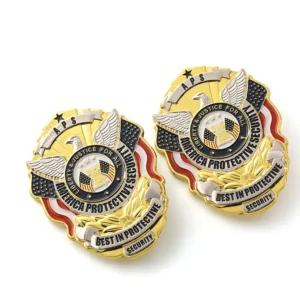
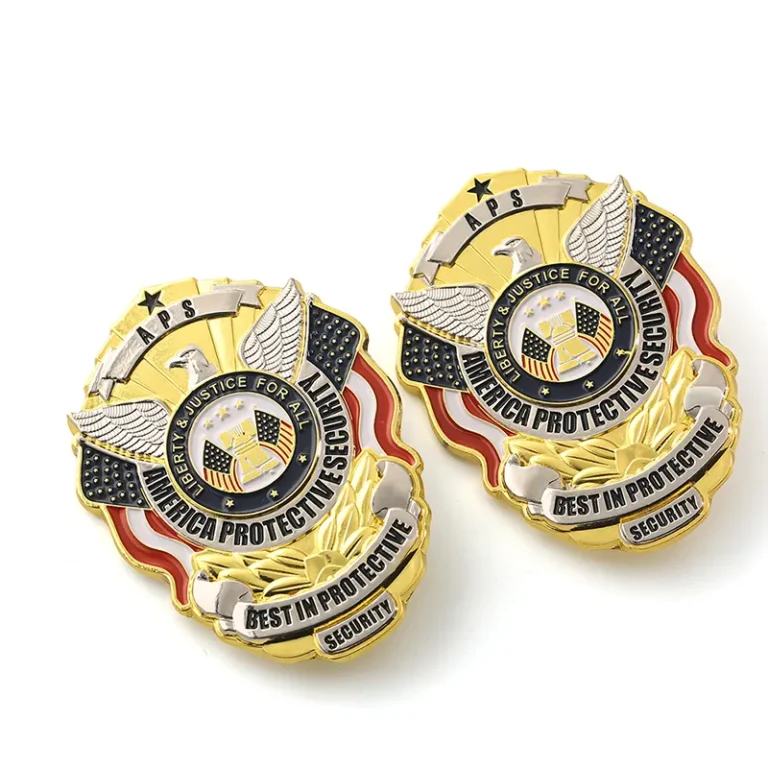
The main uniform badge, worn on the left chest of the dress uniform and, in many departments, the station uniform. Breast badges carry the department name, city or county, rank and badge number. Typical heights are 2.5 to 3.5 inches (64–89 mm).
Hat badges
Smaller badges, usually 1.75 to 2.5 inches tall, worn on the dress cap. They normally match the breast badge design and are ordered as a set.
Collar insignia
Small metal rank pins worn on the shirt collar, usually showing bugles or the letters of a role. They allow rank to be seen even when a jacket covers the breast badge.
Wallet badges
Officers, inspectors and investigators often carry a badge in a leather wallet with their identification card, especially when they work in plain clothes or need to show identification at incident scenes.
Commemorative and anniversary badges
Departments mark centennials, station openings and major anniversaries with limited-edition badges. These are often worn for a set period and then kept as collectibles.
Mourning bands
A thin black band worn horizontally across the badge to honor a fallen firefighter, typically from the death until after the funeral or for a period set by the department. Many departments keep a supply ready so members can wear them immediately.
Badges for Ceremonies and Recognition
Badges are central to the most important moments in a firefighter’s career, and many departments create special items for them.
- Badge pinning ceremonies: recruits receive their first badge at graduation, often pinned by a family member. Some departments present the badge in a velvet box as a keepsake.
- Promotion ceremonies: a new officer receives a gold badge and rank insignia.
- Retirement: retirees often receive a retired badge mounted in a shadow box or presentation case.
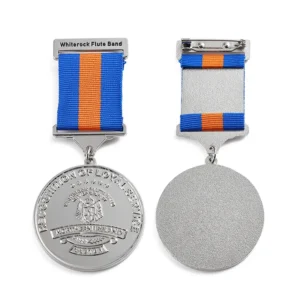
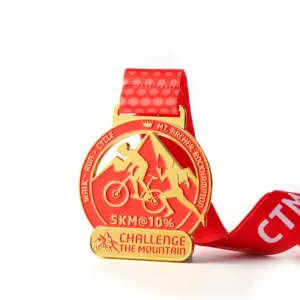
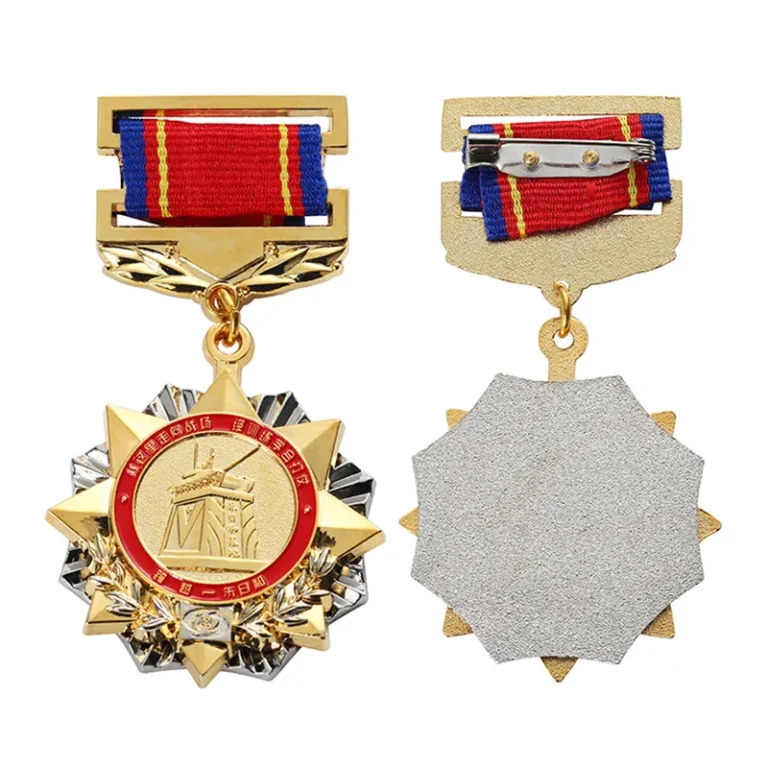
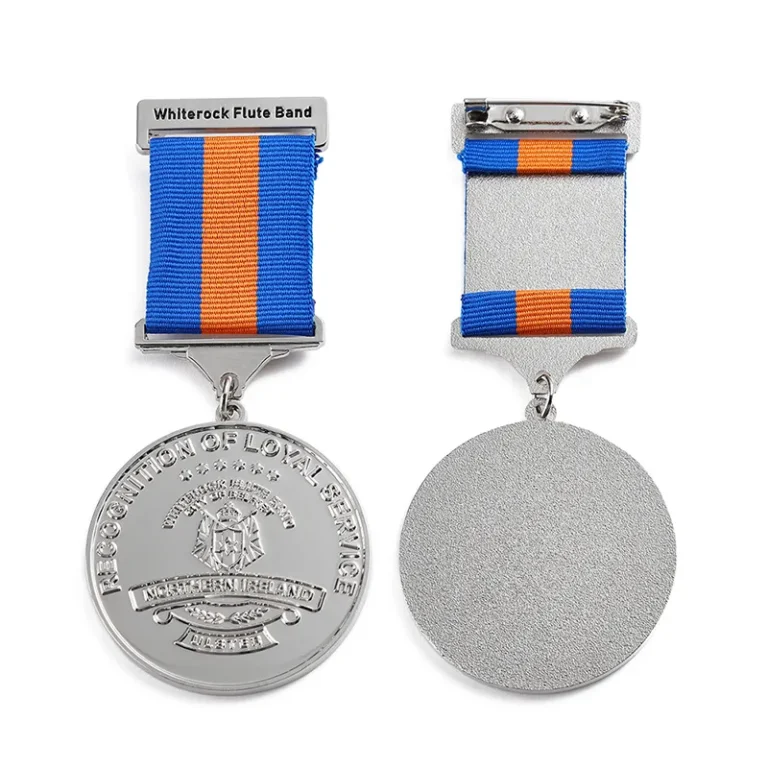
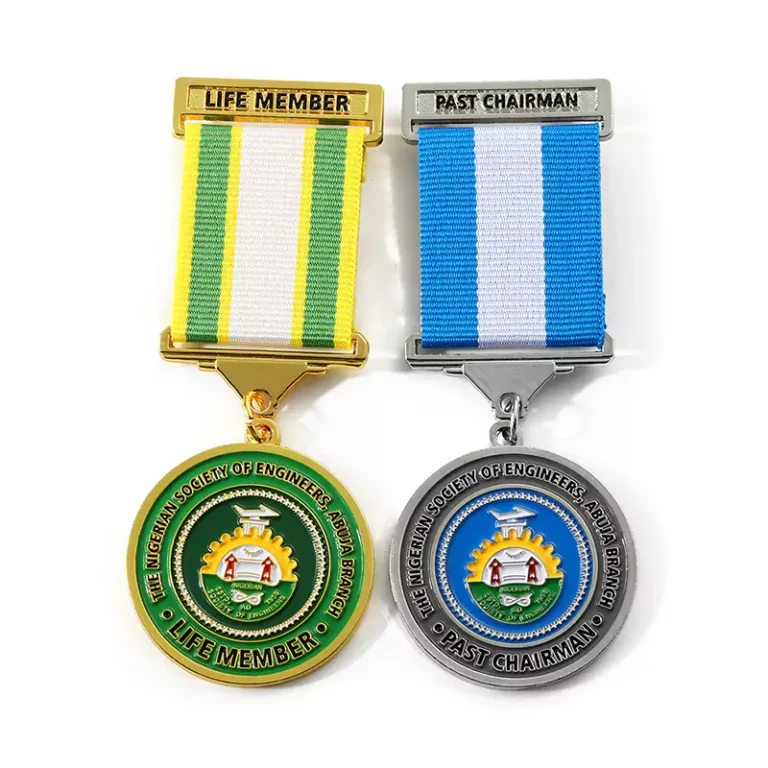
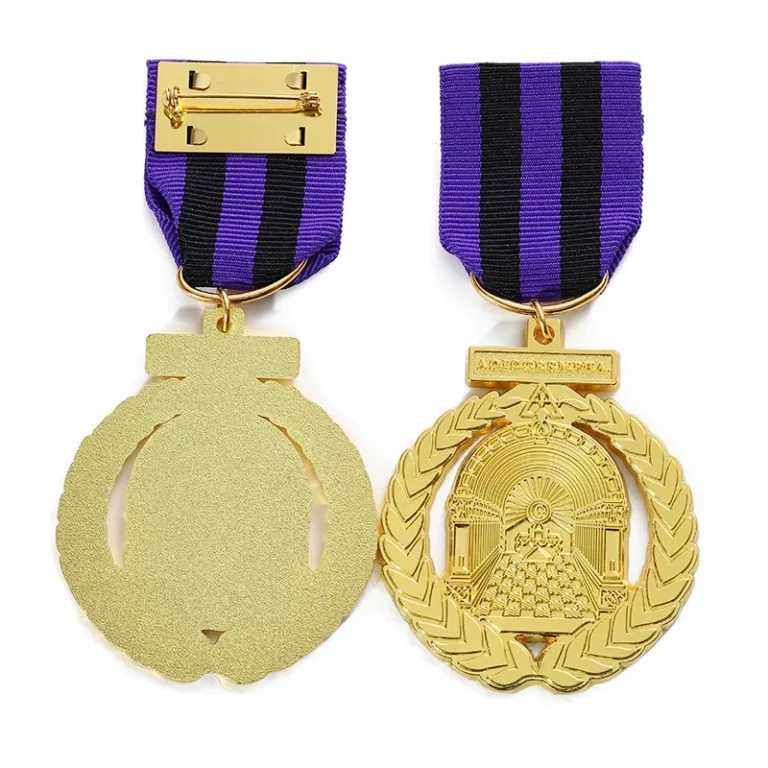
- Awards and commendations: medals, ribbon bars and honor badges recognize bravery, life-saving and years of service.
- Memorials: memorial badges, coins and pins honor fallen members and are often given to their families.
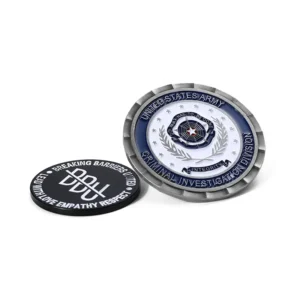
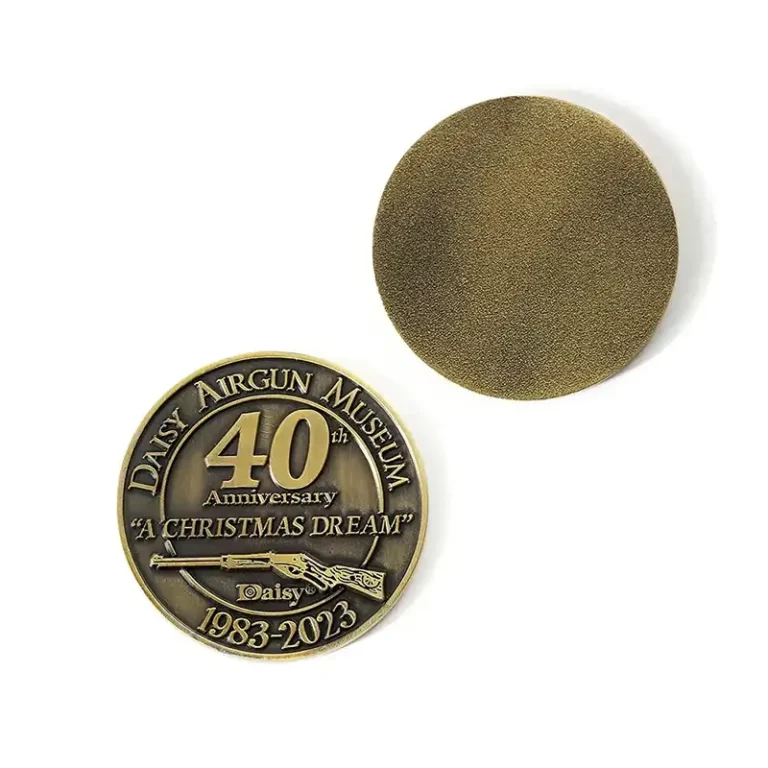
Many departments also use Individuelle Challenge Coins for these occasions. A coin with the department emblem on one side and the event on the other is an affordable keepsake for every member and guest.
Planning Custom Fire Department Badges
Whether you are replacing an old design or creating a badge for a new department, the process is the same. A clear brief at the start saves time and avoids costly changes later.
- Choose the base shape: Maltese cross, St. Florian cross, shield, star or round.
- Set the text: department name, city or county, state, and optionally the year established.
- Pick the center emblem: helmet, ladders, axes, hydrant, department seal or a combination.
- Plan rank variations: one master design with interchangeable rank panels or bugles keeps costs down and the look consistent.
- Add badge numbers: stamped or enamel-filled, unique to each member.
- Choose metal, plating and enamel: brass or zinc alloy, silver or gold plating, and hard enamel for daily durability.
- Select the back: pin with safety catch for uniforms, or clutch backs for hat badges.
- Decide on packaging: velvet boxes for graduation and promotion badges, bulk packing for everyday use.
For general design principles, our guide to law enforcement badge design covers proportions, readability and finishes that apply equally to fire badges.
FOR FIRE DEPARTMENTS
Designing new badges for your department?
Hesank makes custom fire department badges in Maltese cross, St. Florian cross, shield and star shapes, with rank bugles, badge numbers and hard enamel colors, plus matching hat badges, collar pins and challenge coins. MOQ 50 pcs, free design proof, 12–15 days production.
Materials and Finishes That Last
Fire department badges face heat, moisture and constant handling. The choice of materials affects how long they keep their shine.
- Die-struck brass gives sharp detail and a solid, traditional weight.
- Die-cast zinc alloy suits complex shapes, cut-outs and 3D helmets or ladders.
- Harte Emaille is polished flat and resists scratches and fading better than soft enamel.
- Gold or nickel plating can be finished bright or antique; antique finishes hide wear.
- Klare Schutzschicht slows tarnishing on badges worn every day.
How to Order
- Send your reference: a photo of your current badge, a sketch or the elements you want included.
- Approve a design proof: we prepare a real-size digital proof showing shape, text, colors and rank variations.
- Confirm quantities and numbers: provide a numbering list and the quantity for each rank.
- Produktion: usually 12–15 days after approval, including molds, plating, enamel and inspection.
- Delivery: express shipping typically takes 3–6 days, with DDP options available.
Because the mold is kept on file, future orders for new recruits and promotions are quick and cost less than the first run. See more ideas in our Ehrenabzeichen und individuelle Anstecknadeln.
A Short History of Fire Department Badges
Organized fire companies in American cities date back to the 18th century, when volunteer brigades competed to reach fires first and took great pride in their equipment and appearance. Members wore leather helmets with front shields painted with the company name and number, and the helmet front became one of the earliest forms of fire service identification.
As cities created paid, municipal fire departments in the 19th century, metal badges became part of the uniform. Early badges were often simple shields or stars stamped from brass or nickel silver, carrying the department name and a member number. Over time, departments adopted the Maltese and St. Florian crosses, added enamel colors and introduced rank symbols such as bugles. Many of today’s designs still echo those early badges, and departments celebrating anniversaries often reissue historic designs as commemorative editions.
Old fire badges are now popular collectibles. Collectors look for department names, numbers, maker marks on the back and original pin fittings. If your department has historic badges in storage, photographing and recording them is a good way to preserve your history, and they can serve as inspiration for a new commemorative badge.
Wearing the Badge: Common Etiquette
- Position: the breast badge is normally worn on the left chest, centered above the pocket, with nameplates and service pins arranged according to the department’s dress code.
- Care: badges should be kept clean and polished for inspections and ceremonies, using a soft cloth rather than abrasive polish on enamel.
- Mourning bands: worn horizontally across the center of the badge for the period set by the department.
- Retired badges: many departments present retirees with their badge, often marked “Retired” and mounted for display, and ask that it is not worn on duty.
- Lost badges: report immediately so the number can be recorded and a replacement issued.
Badges for Volunteer and Smaller Departments
Volunteer and rural departments often work with tighter budgets but care just as much about a professional look. A few practical ways to keep costs down without compromising quality:
- Use one master design for all ranks and change only the plating or rank panel.
- Choose weicher Schmelz for everyday badges and keep hard enamel for officers or ceremonial editions.
- Order blank-number badges that can be engraved locally when new members join.
- Combine badges, collar pins and Challenge Coins in one order to share design work and shipping.
- Plan reorders around recruit classes so new members always receive their badge at graduation.
Choosing a Badge Maker
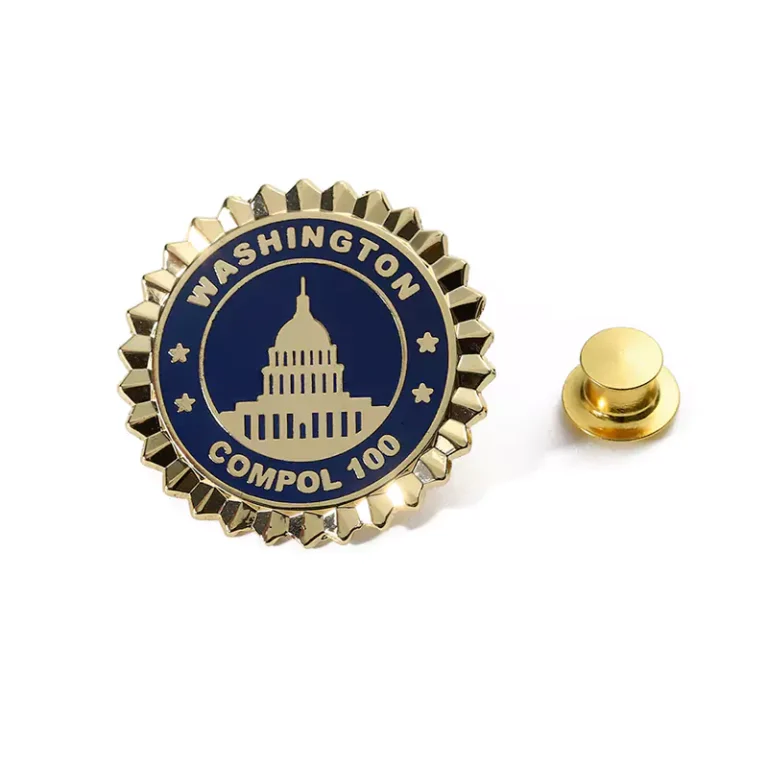
When you compare suppliers, ask to see real samples of badges they have made, not only renderings. Check that the enamel is filled evenly, the plating has no bubbles, the edges are smooth and the pin is soldered firmly. Ask whether the mold is kept on file for reorders, how numbering is handled, and whether they can supply matching hat badges, collar pins and coins so your whole set comes from one source and matches perfectly.
FAQ
Why do firefighters use the Maltese cross?
It is a long-standing fire service symbol linked to the Knights of St. John and to St. Florian, the patron saint of firefighters. It represents protection, courage and service.
What do the bugles on a fire badge mean?
They show rank. In many departments the number of bugles rises from one for a lieutenant to five for the fire chief.
Why are some fire badges gold and others silver?
Many departments use silver for firefighters and gold for officers, so rank is visible at a glance. The exact rule depends on each department’s uniform policy.
Can we order badges for different ranks in one order?
Yes. One mold can be produced in different platings and with different rank panels, and badge numbers can vary within the same order.
What is the minimum order?
At Hesank the minimum is 50 pieces per design. The order can be split across several ranks and numbers.
Can you recreate our historic badge?
Yes. Send clear photos of the front and back with the badge size, and we can reproduce it or update the details for a new edition.